











Blog
Anime Fan’s Crash Course: Breaking Down Fanservice (ファンサービス), Mecha (メカ), Shounen (少年), and Shoujo (少女) – The Eye Candy, Giant Robots, Hot-Blooded Battles, and Heartflutter Romances That Define Anime Eras

Hey hey, unstoppable anime army! We’re in the home stretch of this massive term takedown, and wow, the netorare therapy sessions and reverse harem wishlists from last drop had me rolling – y’all spilling loli protection squads and shota awakening stories like it’s a con confessional booth? That’s the raw vulnerability that makes this fandom unbeatable, no cap. If you’ve ever cheered for gratuitous fanservice saving a boring episode, piloted imaginary mecha through your backyard battles, screamed “plus ultra!” during shounen power-ups, or sobbed over shoujo flower petals and misunderstood crushes, you’re locked in with the OGs.
These pillars are the genres and tricks that built the medium: the ones that sell figs, pack arenas, and turn casuals into lifers. As a fossilized fan who’s marathoned mecha marathons pre-streaming and defended shoujo at dudebro panels since the Toonami days, I’m pumped to unearth their evolutions (from wartime propaganda to global phenoms), the adrenaline/feels they pump into our veins, epoch-defining shows that shaped tastes, and how we hype ’em in seasonal previews, MyAnimeList reviews, and those endless “best genre” Twitter polls. Rounding out the penultimates with fanservice’s cheeky winks, mecha’s robotic thunder, shounen’s unbreakable spirit, and shoujo’s emotional whirlwinds. Controllers ready – we’re blasting off!
Fanservice: The Gratuitous Thrills and Spills That Keep Viewers Hooked (and Pausing)
Fanservice – the not-so-subtle art of tossing in eye candy to reward loyal viewers, from panty shots to beach episodes that have zero plot but all the vibes. The term’s a Japanese-English hybrid (“fan sābisu”), popping up in 80s-90s anime mags to describe bonus appeal for otaku, but roots in 70s idol culture and earlier kabuki cross-dressing. It went nuclear with 90s OVAs like Tenchi Muyo! cramming hot springs into every arc, evolving into a survival tool for low-budget shows.
Essentially: Non-essential sexy/cute/funny moments – ecchi accidents, oppai bounces, chibi reactions, or absurd fights shredding clothes – purely to spike dopamine and retention. Intent? Pander to fantasies, lighten heavy plots, or bait merch sales, mirroring Japan’s service industry “omotenashi” twisted horny. Vibe’s guilty glee: that “hell yeah, they went there!” rush, blending humor with horniness, like a wink from the creators saying “we got you.”
Hallmarks? High School DxD (again!) – fanservice the plot, with rating games as excuse for demonic strippings. Beach queen: To Love Ru, gravity-defying mishaps. Meta master: Kill la Kill (2013), uniform fanservice deconstructing the trope itself. Comedy gold: Konosuba, explosion fanservice via Megumin’s breakdowns.
In the meta: r/anime “fanservice done right” threads; Crunchyroll pauses spiking; cons’ “fanservice panels” with cosplay. Evolved? Subversive like Gurren Lagann viral suits, or empowered in Chainsaw Man. Global? Influenced MCU quips. Fanservice isn’t filler – it’s the glue holding binges together. Pause proudly; it’s why we stay subscribed.

Mecha: Giant Robots Piloted by Teens Saving (or Dooming) the World in Epic Cockpit Drama
Mecha – the colossal robot genre where angsty pilots sync with skyscraper-sized machines for universe-shaking clashes, blending tech porn with philosophical rants. And “Mecha” from “meka” (mechanical), coined 60s-70s with Go Nagai’s Mazinger Z (1972 manga/anime), but fathered by Tetsujin 28-go (1956) remote bots. Exploded 70s-80s super robot era, shifting to real robot realism via Yoshiyuki Tomino’s Mobile Suit Gundam (1979), influencing everything from Transformers to Pacific Rim.
Core: Human-piloted (or AI) giants – transformable, beam-spamming, with cockpit monologues on war’s futility. Subgenres: super (overpowered heroes) vs. real (gritty logistics). Intent? Allegory for war/tech ethics, post-WWII Japan processing trauma via proxies. Vibe’s adrenaline catharsis: cockpit shakes mirroring heart-pounds, that god-like power fantasy laced with loss, evoking “humanity, what is it?”
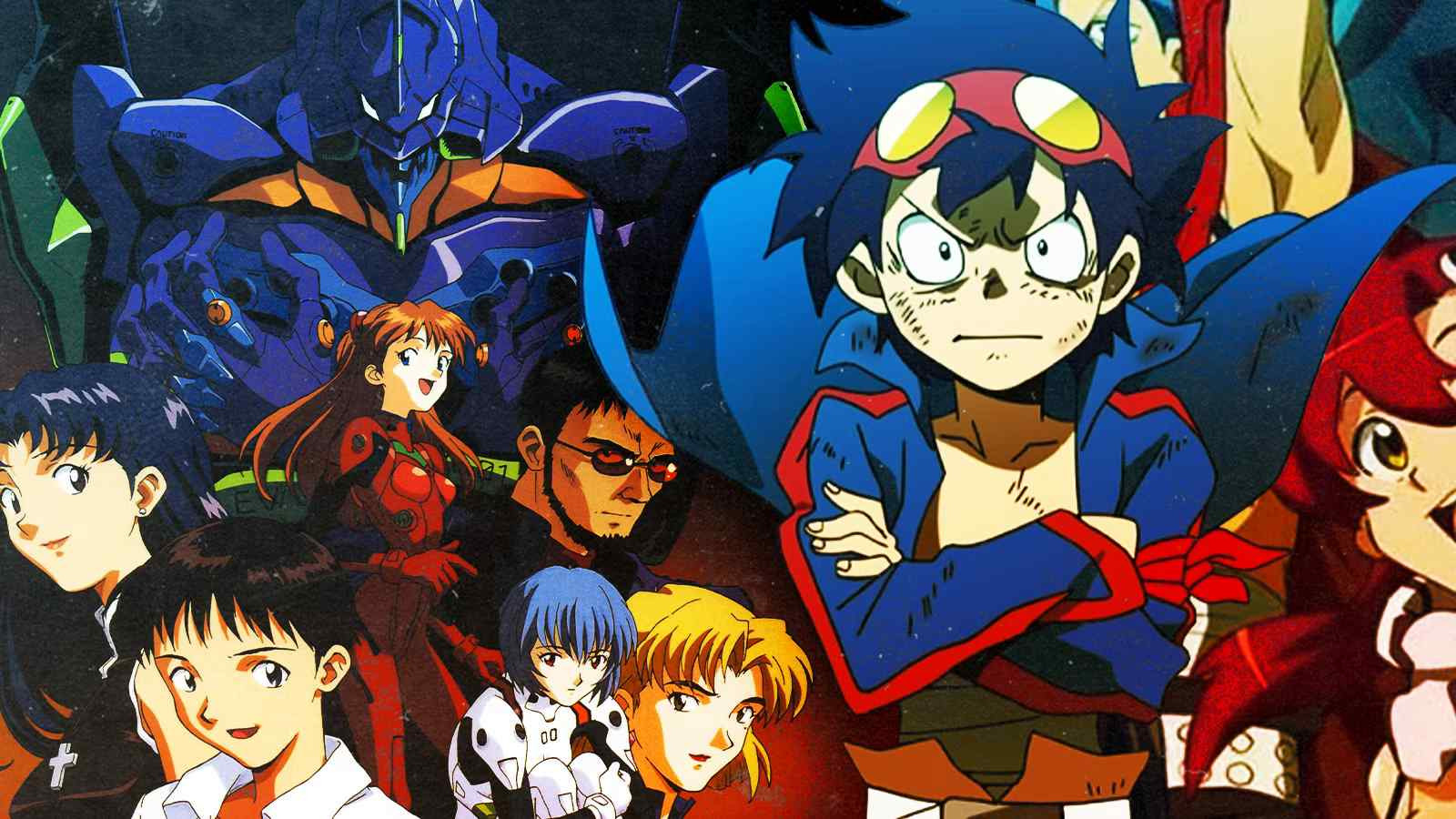
Titans? Neon Genesis Evangelion (1995) – EVA units as psychological horrors, Shinji’s “get in the robot” depression redefining mecha. OG: Gundam Wing (1995), pretty boys in space colonies. Hype beast: Gurren Lagann (2007), drill-piercing heavens in escalating absurdity. Modern: 86 (2021), drone-mecha racism metaphors.
Fandom wars: r/mecha build threads; Gunpla model empires; AMVs to Linkin Park. Evolved? Isekai mecha like Knight’s & Magic. Mecha’s not just robots – it’s soul in steel. If you’ve yelled “target acquired,” you’re piloting eternal.
Shounen: The Battle-Hungry Boy’s Club of Friendship, Effort, and Victory Screams
Shounen – the jump-start genre for hype trains, literally “boy” (shōnen), targeting teen dudes via mags like Weekly Shōnen Jump (1968), birthing icons like Dragon Ball (1984). Roots in 50s adventure serials, but Osamu Tezuka’s Astro Boy (1952) set the template: underdogs powering up via nakama and ganbaru spirit.
Essentially: Action-packed arcs – tournaments, rivals, training montages – with themes of perseverance, bonds, and never-give-up yells. Power systems, flashbacks mid-punch. Intent? Inspire youth with aspirational heroes, post-war Japan rebuilding via willpower metaphors. Vibe’s electric motivation: fist-pump triumphs over odds, that “one more episode” addiction, like steroids for your inner child.
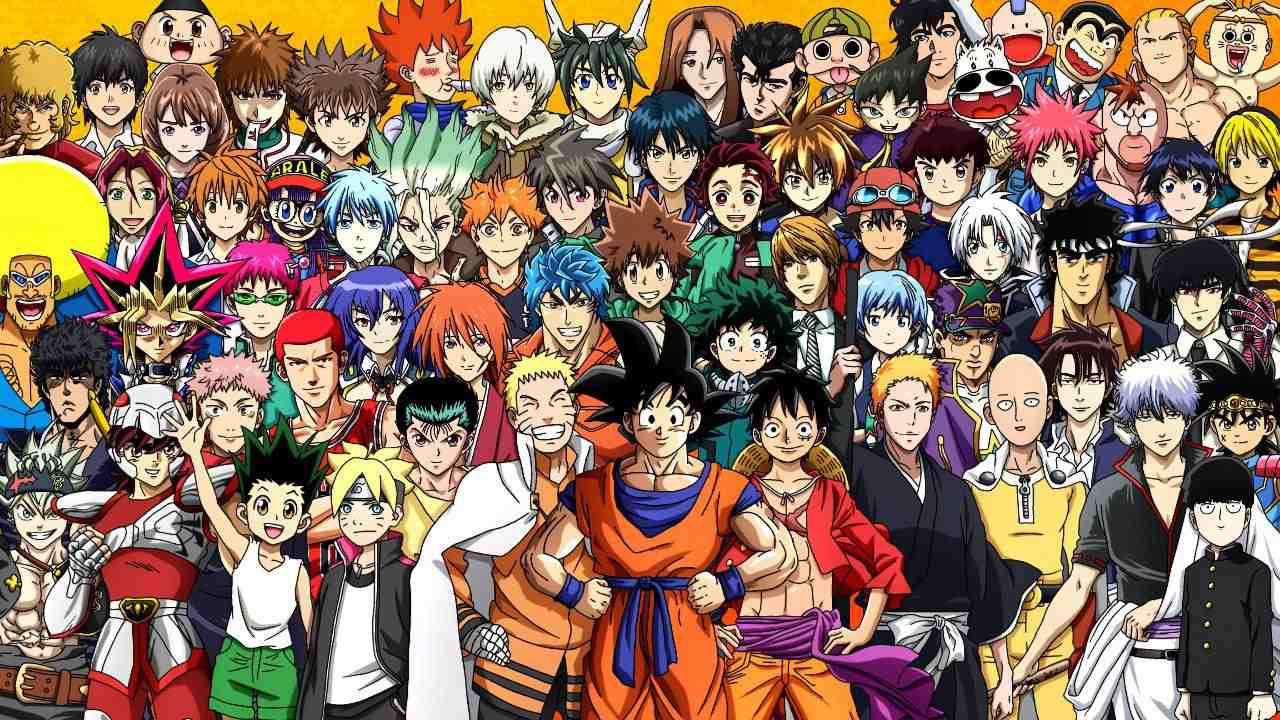
Big three: One Piece (1999) – Luffy’s pirate freedom quest, 1000+ eps of stretchy dreams. Naruto (2002), ninja orphan to hokage via believe it. Bleach soul reapers. New gen: My Hero Academia (2016), quirkless Deku smashing plus ultra. Eternal: Dragon Ball Z super saiyan screams.
Usage: Shounen Sunday vs. Jump rivalries; r/Shounen power scaling debates; cosplay battle poses. Evolved? Dark shounen like Attack on Titan. Shounen’s fuel: turning boys into legends. If it hypes you at 3 AM, you’re shounen for life.
Shoujo: The Sparkly Romance and Drama Waves That Hit Straight in the Feels
Shoujo – the “girl” (shōjo) genre of butterflies, misunderstandings, and inner monologues over flower backgrounds, via mags like Margaret (1963). Pioneered by Year 24 Group female mangaka in 70s like Moto Hagio, revolutionizing with complex emotions post-Rose of Versailles (1972).
Core: Romance-focused – school crushes, love triangles, self-growth – with sparkles, diaries, and transformation sequences. Themes: identity, relationships, empowerment. Intent? Validate girls’ emotions in patriarchal times, offering escape and aspiration. Vibe’s emotional rollercoaster: heart-flutter highs to tearjerker lows, that cathartic “she deserves better” cry, like therapy in petals.
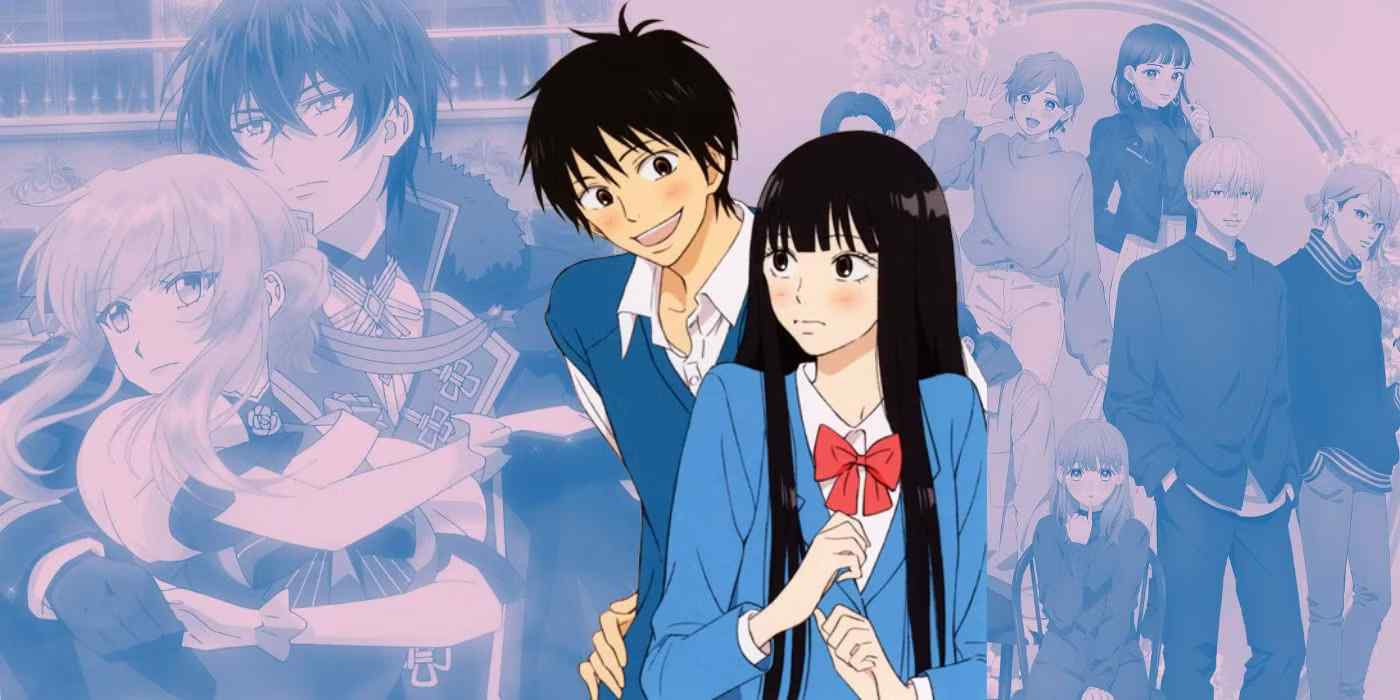
Classics? Sailor Moon (1992) – magical girl shoujo saving world via love. Fruits Basket zodiac hugs. Tearjerker: Nana (2006), adult shoujo friendship ruins. Modern: My Happy Marriage (2023), arranged magic romance.
Fandom: Shoujo beat panels; AO3 fluff fics; sparkle filters on TikTok. Evolved? BL offshoots, isekai villainess. Shoujo’s power: making tough girls soft. If it wrecked your mascara, welcome home.
Epic – fanservice flashes to shoujo sparkles, these are the engines driving anime’s heart and hype. The beast keeps growing with webcomics, AI animations, and crossover madness, so we’re stockpiling for volume two already. Grand finale next: Nekomimi’s cat-ear allure and Trap’s ultimate gotcha – the last keywords to complete your otaku PhD. Drop your shounen hype anthems below – let’s end strong!
In your free time, don’t forget to browse our anime sex doll store!
Want to explore all our articles about Mini Sex Dolls? Visit our All Articles.
 English
  日本語
日本語  한국어
한국어  Deutsch
  Français
  Español