










Blog
Anime Fan’s Crash Course: Decoding Tsundere (ツンデレ), Kemonomimi (獣耳), Isekai (異世界), and Seinen – Your Essential Guide to Otaku Slang

Hey, fellow anime junkies – let’s face it, we’ve all binged our way through marathons of epic mecha battles, heart-wrenching romances, and over-the-top isekai power fantasies. But in the heat of the moment, those quirky Japanese terms start flying around like senbonzakura petals: “Oh man, she’s such a tsundere!” or “That kemonomimi design is peak fanservice.” You nod along because you’re kinda in the know, but deep down, you’re wondering – where the hell did that word come from?
What’s the cultural vibe it’s channeling, and how has it mutated into memes and merch gold? As a die-hard weeb who’s been knee-deep in this since the days of bootleg fansubs, I get it. Anime isn’t just entertainment; it’s a whole linguistic universe that pulls you in deeper the more you unpack it. Today, we’re kicking off a multi-part deep dive into the core vocab that’s shaped our fandom. We’ll trace each term’s roots, break down its essence, vibe out on the emotional punch it packs, spotlight iconic examples that defined it, and chat about how fans sling it around in cons, Reddit threads, and Twitter rants. Starting strong with four heavy-hitters: tsundere, kemonomimi, isekai, and seinen. Buckle up – this is gonna be your new go-to cheat sheet for sounding like a true senpai.
Tsundere: The Ultimate Ice Queen with a Hidden Heart of Gold
Ah, tsundere – if there’s one archetype that screams “anime romance done right,” it’s this bad boy.The term itself is a portmanteau that otaku circles smashed together in the early 2000s, blending “tsun tsun” (that prickly, onomatopoeic sound of someone turning away in prickly anger or disgust) and “dere dere” (the gooey, lovestruck sweetness of melting into affection).
It first bubbled up in visual novels and eroge like Kizuato (2002), but exploded into mainstream consciousness around 2003-2005 with light novels and dating sims, where creators needed a snappy label for characters who played hard-to-get on steroids. Before that, echoes of the trope lurked in 90s anime, but it wasn’t codified until the internet age let fans meme it into existence.
At its core, a tsundere is someone – usually a fiery female lead – who starts off as a total hardass: sharp-tongued, tsun-tsun aggressive, maybe even slapping the protagonist for breathing wrong. But peel back the layers (often via plot-forced proximity or a near-death scare), and bam – dere dere warmth floods out, all blushes and “I-it’s not like I like you or anything!” denials. The intent? It’s a masterclass in romantic tension, capturing that delicious push-pull of vulnerability masked by bravado. Think of it as the emotional equivalent of a spicy-sweet ramen bowl: the burn hits first, but the cozy afterglow lingers. It’s rooted in Japanese cultural nuances around honne (true feelings) versus tatemae (public face), where admitting emotions feels like social suicide, especially for strong-willed types.
Iconically
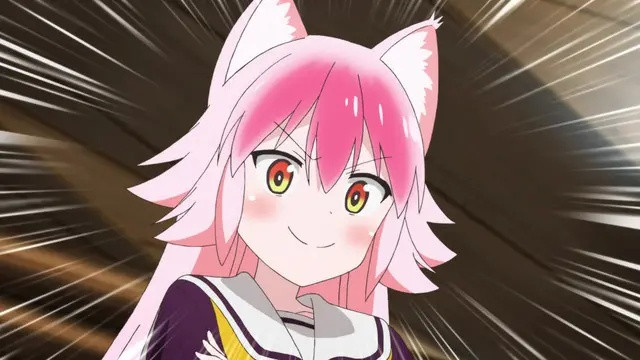
No one nails tsundere like Asuka Langley Soryu from Neon Genesis Evangelion (1995) – predating the term but retroactively crowning it queen. She’s all explosive ego and EVA piloting swagger, hurling insults at Shinji while secretly craving validation, her breakdowns revealing a dere core shattered by trauma. Fast-forward to the golden era, and Taiga Aisaka from Toradora! (2008) perfects the high-school rom-com spin: pint-sized tiger with a massive chip on her shoulder, evolving from bully to blushing bride material in a way that had fans shipping harder than a Black Friday sale. Or don’t sleep on Louise Françoise Le Blanc de La Vallière from The Familiar of Zero (2006) – that pink-haired tsundere mage who summons Saito as her familiar and whips him like a bad habit, only to dere into full yandere-lite obsession. These cases aren’t just tropes; they’re emotional rollercoasters that mirror real-life crushes, where pride clashes with passion.
In the wild, tsundere’s everywhere fans geek out. At cons, you’ll spot cosplayers channeling Asuka’s plugsuit with a scowl that melts into selfies; on Reddit’s r/anime, threads dissect “best tsundere routes” in VNs like Clannad; and TikTok’s flooded with edits syncing slaps to “Baka!” yells. It’s evolved too – modern spins add irony, like gender-flipped male tsunderes in Kaguya-sama: Love is War, or meta-parodies in Konosuba where Megumin’s explosive tsun hides explosive dere.
Even outside anime, it’s bled into Western pop: think Harley Quinn’s chaotic flirt-rage. But at heart, tsundere’s magic is that slow-burn reveal – it’s not just cute; it’s cathartic, reminding us everyone’s got a soft spot under the armor. If you’ve ever crushed on someone who ghosted then ghost-texted, congrats, you’re living the dere dream. Word count? Yeah, we’re just warming up – this one’s etched in fandom granite for a reason.

Kemonomimi: When Humans Get That Irresistible Animal Edge (and Ears)
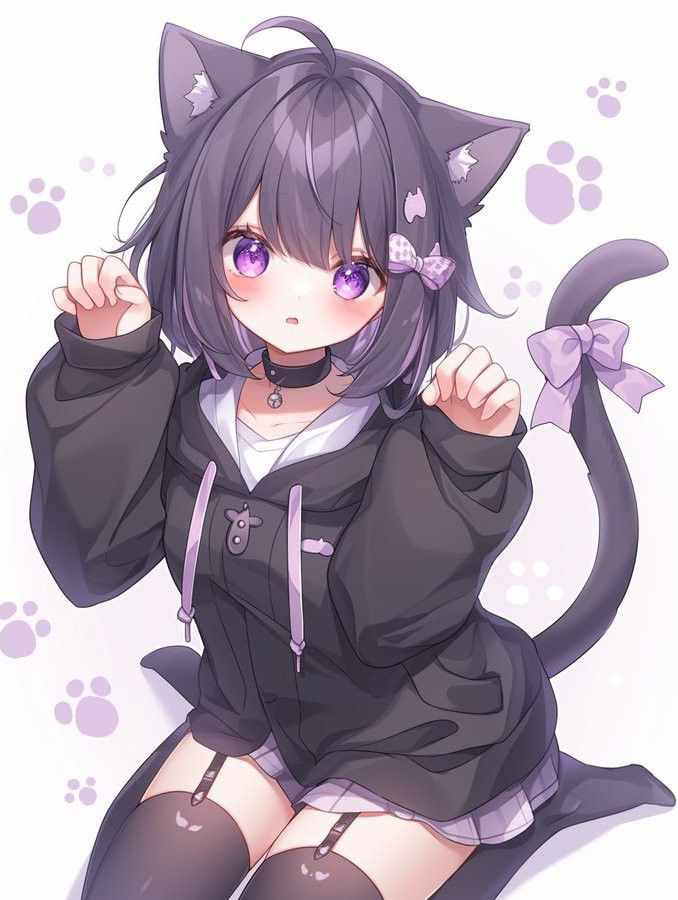
Kemonomimi – man, this one’s a straight-up love letter to our primal fantasies, wrapped in fluff and fangs. The word breaks down to “kemono” (beast or animal) plus “mimi” (ears), hitting the lexicon in the late 90s-early 2000s as anime and manga artists needed a tag for those half-human hotties sporting perky animal traits. But its DNA? Deep in Japanese folklore, baby – think kitsune (fox spirits) from the 8th-century Nihon Shoki or bakeneko (shape-shifting cats) in Edo-period ghost stories, where yokai blurred human-animal lines to seduce or spook.
Modern kemonomimi kicked into gear in the 80s with manga like Ranma ½‘s beastly transformations, but it went full catgirl supernova in the 90s fighting games and visual novels, evolving from subtle folklore nods to blatant moe bait. Essentially, it’s humanoid characters – often waifus or husbandos – rocking animal ears (and usually a tail for that extra swish) without going full furry anthro. No claws or fur coats here; just enough beast to amp the cuteness or wildness, blending innocence with instinct.
The vibe? Pure escapist thrill – it’s that tantalizing mix of approachable human relatability and untamed allure, like your childhood pet grew up to be a supermodel with a mischievous streak. Kemonomimi taps into kawaii culture’s obsession with adorable hybrids, but with a feral undercurrent that screams “pet me… or else.” It’s fanservice fantasy at its fluffiest, evoking freedom, playfulness, and a dash of forbidden desire, perfect for worlds where humans need that edge to survive or seduce. In darker spins, it hints at otherness or isolation, like a bridge between worlds.
Famous drops?
Felicia from Darkstalkers (1994 game, anime OVA 1997) is the OG kemonomimi icon – that blue-haired catwoman with claws out and heart in, clawing her way into arcade lore as the ultimate playful predator. Then there’s Eris from Cat Planet Cuties (2010), whose cat ears twitch through interstellar hijinks, turning alien invasion into tail-chasing romps. But let’s bow to Nyaruko from Haiyore! Nyaruko-san (2012) – Lovecraftian eldritch horror reimagined as a hyperactive catgirl in a harem comedy, her ears flopping through cosmic chaos. Or don’t miss the queen, Black Hanekawa from Bakemonogatari (2009), where Senjougahara’s alter ego sprouts cat ears in a psychological twist that layers trauma with tentacle-teasing fun. These aren’t side characters; they’re narrative engines, driving plots with their dual nature.
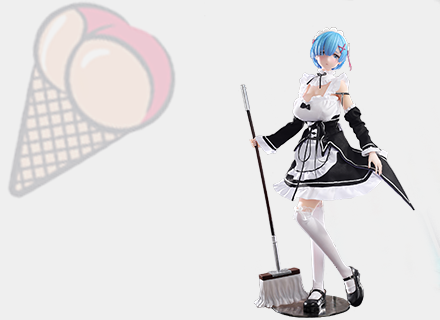
Usage-wise, kemonomimi’s a cosplay staple – think Comiket booths overrun with neko-mimi headbands and tail plugs, or DeviantArt flooded with fanart of “kemonomimi-fied” OCs. On MAL, it’s a genre filter for beast-ear binges; Twitter hashtags like #KemonomimiMonday spark edit wars; and in VNs, it’s the unlockable route that has you collecting ear-types like Pokémon. It has spawned sub-trends too—fox-eared kemonomimi in echoes of Inuyasha’s Kagome, or bunny variants in Re:Zero’s Rem (close enough). Globally, it inspires K-pop idols with ear accessories and Western comics like Sailor Moon crossovers.Bottom line: kemonomimi isn’t just cute; it’s a gateway drug to embracing your inner beast, making every panel pop with that “aww… rawr” duality. If anime’s your escape, this trope’s the tail that wags the dog.
Isekai: Truck-Kun’s Wild Ride to Another World Glory
Isekai – oh boy, where do I even start?This genre delivers the ultimate power fantasy through a portal gun, and it dominates our watchlists like a benevolent apocalypse. The term “isekai” literally means “different world” or “another realm” (i- for different, sekai for world), but its roots trace back to ancient Japanese folktales like Urashima Tarō (8th century), where a fisherman visits an underwater dragon palace, only to age centuries upon return—a cautionary tale about homesickness and hubris.
Modern isekai ignited in the 70s-80s with pulpy sci-fi like Yoshiyuki Tomino’s early Gundam nods, but the blueprint dropped in 1981 with Haruka Takachiho’s novel Warrior from Another World, featuring a salaryman yanked to a fantasy land for heroics. It simmered in D&D-inspired LN until the 2010s web novel boom – blame Sword Art Online (2009 LN, 2012 anime) for the truck-death trope that Truck-Kun now owns – exploding into a subgenre flood that’s equal parts escapist bliss and satirical gold.
At heart
Isekai’s about translocation: an ordinary (often underdog) protagonist – gamer, NEET, office drone – gets isekai’d (summoned, reincarnated, or VR-trapped) into a game-like fantasy realm, armed with meta-knowledge or OP cheats to climb from zero to god-king. The intent? It’s a balm for real-world drudgery, channeling that “what if I started over with admin privileges?” daydream into sprawling adventures of leveling up, harem-building, and world-saving. The vibe’s intoxicating – wonder mixed with wish-fulfillment, where bureaucratic blues flip to dragon-slaying highs, but laced with melancholy undertones of lost normalcy or ethical dilemmas in god-mode.
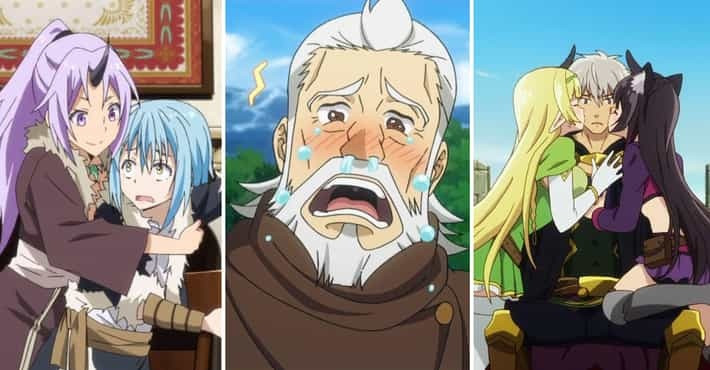
Prime examples? Sword Art Online birthed the harem-OP blueprint: Kirito’s VR death-game trap turns him into a dual-wield deity, spawning endless “SAO clones” while nailing the thrill of digital exile. Then Re:Zero – Starting Life in Another World (2016) subverts it hard – Subaru’s time-loop death curse makes every win a gut-punch, blending gore with growth in a way that had fans ugly-crying over “isekai regret.” For comedy, Konosuba: God’s Blessing on This Wonderful World! (2013 LN) parodies the hell out of it: Kazuma’s party of duds fumbles through quests, turning power fantasies into slapstick survival. And the GOAT?That Time I Got Reincarnated as a Slime (2014) – Satoru reincarnates as a slime and builds an empire from goo, layering strategy sim with monster moe in a feel-good conquest.
Fans wield isekai like a spellbook: MAL lists tag it for binge recs (“gimme more truck hits!”); Reddit’s r/Isekai roasts bad tropes like “instant harem”; and cons host panels on “isekai survival guides” with cosplayed Slimes. It has evolved into variants—villainess reversals, polyamory spins in *The Rising of the Shield Hero*—and even Western nods like *The Magicians*. But core magic? It’s therapy in tights, letting us rewrite our Ls into Ws. If life’s a grind, isekai’s the respawn button we all crave.
Seinen: Grown-Up Grit in a World of Shounen Flash
Seinen – listen, if shounen’s your high-octane candy rush, seinen’s the aged whiskey that hits different: complex, burn-y, and leaves you pondering life’s BS long after the credits.The word “seinen” literally means “youth” or “young man” in Japanese, but in manga/anime slang, it labels the demographic for titles that target guys 18–40—think post-college grinders who crave stories reflecting real adult chaos without the training-arc fluff.
It crystallized in the 50s-60s with post-war mags like Weekly Shōnen Magazine splintering into mature imprints (e.g., Big Comic in 1968), evolving from Tezuka’s kid-lit era to raw explorations of society, psyche, and survival. By the 80s, it was a full genre, fueled by economic bubble-burst blues, targeting salarymen with tales too cynical for teens.
Boiled down, seinen’s mature anime/manga tackling heavy themes – violence, politics, existential dread, sexuality – through nuanced characters who aren’t “destined heroes” but flawed everymen wrestling consequences. No power-scaling montages; instead, it’s philosophical gut-punches wrapped in stellar art, emphasizing realism over spectacle. The intent? Catharsis for the grown-up soul, capturing that jaded “life ain’t fair” haze while sparking “what if?” debates. Vibe-wise, it’s brooding introspection with bursts of brutality – like a noir film in cel-shaded glory, where triumphs taste bittersweet and losses scar deep.
Hallmarks?
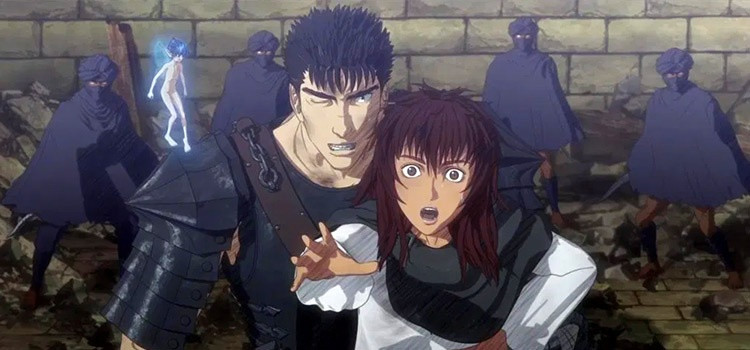
Berserk (1989 manga, 1997 anime) is the dark lord: Guts’ endless rage against demonic fate dissects betrayal, ambition, and humanity’s abyss, influencing everything from Dark Souls to therapy sessions. Ghost in the Shell (1989 manga, 1995 film) cyberpunked it up – Major Kusanagi’s shell-hacking identity crisis probes AI souls and corporate dystopias, a philosophical feast that’s aged into VR prophecy. For modern mastery, Vinland Saga (2005 manga, 2019 anime) trades Viking berserker myths for pacifist reckonings, Thorfinn’s revenge arc crumbling into redemption gold. Or Tokyo Ghoul (2011) – Kaneki’s half-ghoul horror spirals into societal horror, blending body-horror with mental health mirrors that wrecked (and woke) a generation.
In the trenches, seinen’s fan catnip: forums like r/Seinen geek over “deep cuts” like 20th Century Boys; Crunchyroll tags it for “adult swims”; and podcasts autopsy Monster‘s moral mazes. It’s less meme-y than shounen, more book-club vibe – evolving with global hits like Attack on Titan blurring lines. Yet its power? Validating the chaos of adulthood, proving anime grows with you. If you’re over 25 and still watching, seinen’s your mirror – gritty, glorious, and unapologetic.
Whew, what a lineup – from tsundere heart-flutters to seinen soul-searches, these terms aren’t just jargon; they’re the threads weaving anime’s magic carpet. And hey, the industry’s a beast that’s always evolving: VR integrations, AI-assisted stories, global collabs – you bet new slang’s brewing in those labs.We commit to hunting it down, so stick around for the next installment where we unpack Ecchi’s cheeky thrills, Kuudere’s cool-as-ice charm, Yandere’s dangerously devoted edge, and Weeb’s self-roast supremacy.
Drop your fave examples in the comments – let’s keep the otaku fire lit!
In your free time, don’t forget to browse our anime sex doll store!
Want to explore all our articles about Mini Sex Dolls? Visit our All Articles.
 English
  日本語
日本語  한국어
한국어  Deutsch
  Français
  Español