











Blog
Anime Fan’s Crash Course: Unlocking Ecchi (エッチ), Kuudere (クーデレ), Yandere (ヤンデレ), and Weeb – The Spicy, Stoic, Stalkerish, and Self-Deprecating Pillars of Otaku Lingo

Yo, what’s up, anime fam? We’re back at it, diving headfirst into the chaotic ocean of terms that make our hobby the wild ride it is. Last time we cracked open tsundere’s fiery facade, kemonomimi’s fluffy fantasies, isekai’s portal-hopping escapism, and seinen’s gritty adult vibes. And y’all blew up the comments with your hot takes. (Shoutout to the dude who said Asuka ruined his life in the best way). If you’re anything like me, you’ve scrolled through endless forums going “wait, is that ecchi or just straight hentai?” or cringed at being called a weeb while secretly owning the title.
These words aren’t just labels; they’re the secret sauce that flavors debates at 3 AM Discord raids, cosplay contests, and that one group chat where everyone argues over waifu tiers. As your resident otaku elder who’s survived the Great Subs vs. Dubs Wars, I’m here to spill the tea on origins, the raw emotional hooks, legendary showcases that cemented them in hall-of-fame status, and how we weaponize ’em in daily fandom warfare. Today? We’re turning up the heat with ecchi’s playful perversion, kuudere’s icy allure, yandere’s knife-edge obsession, and weeb’s loving self-roast. Grab your body pillow – this one’s gonna get unhinged.
Ecchi: The Art of Teasing Without (Always) Going All the Way
Ecchi – ah, the gateway drug to hornier territories, the reason your watch history has more “plot” than a soap opera. This bad boy’s straight from the Japanese pronunciation of the letter “H,” as in “hentai” (pervert), which got shortened in the 70s-80s manga scene when publishers needed a cheeky code for softcore smut without slapping on the adult label.
It traces back to postwar lending libraries stocking risqué mags, but ecchi as we know it exploded in the 80s with OVA boom and titles like Cream Lemon (1984), evolving from subtle panty flashes in 70s rom-coms to full-blown fanservice festivals. Before that? Echoes in Edo-period shunga art, where eroticism hid in “respectable” woodblocks. At its core, ecchi’s all about sexual innuendo and titillation minus explicit penetration – think bouncing oppai physics, accidental gropes, hot spring mishaps, and wardrobe malfunctions cranked to 11. It’s not porn; it’s porn’s flirty cousin who blue-balls you on purpose.
The intent? Pure, unadulterated escapism laced with humor – it amps arousal while dodging censorship, turning everyday scenarios into hormone-fueled comedies. The vibe’s playful chaos: that rush of “oh no, not again!” embarrassment mixed with guilty grins, capturing adolescent awkwardness in exaggerated glory. It’s fanservice on steroids, rooted in Japan’s bathhouse culture and school uniform fetishes, where “accidents” let characters (and viewers) indulge without commitment.
Iconic bangers?
High School DxD (2012) is the undisputed king – Issei’s perverted paradise where demonic boobs literally power up, blending ecchi excess with actual plot in a way that had fans pausing for “research.” Then there’s To Love Ru (2006 manga, 2008 anime), Momo’s harem hijinks and Rito’s faceplant fortune turning gravity into a pervert’s best friend – pure slapstick smut that spawned Darkness for extra spice. Don’t forget Keijo!!!!!!!! (2016), where butt-battling sports turn asses into weapons, ecchi-fying Olympics with zero shame. Or the OG influencer, Tenchi Muyo! (1992 OVA), whose space pirate babes set the multi-girl mayhem template.
In the fandom trenches, ecchi’s ammo for everything: Reddit’s r/ecchi floods with screenshots; cons ban “ecchi poses” for public decency; and Crunchyroll comments devolve into “plot or plot?” debates. It’s evolved too – modern takes like Interspecies Reviewers (2020) push boundaries into satire, reviewing fantasy hookers with Yelp vibes. Globally? Inspired Western cartoons like Kill la Kill‘s uniform wars. Ecchi’s genius is balance: horny enough to hook, funny enough to rewatch with friends. If anime’s your vice, ecchi’s the wink that says “we know what you came for.” Own it – no shame in the game.
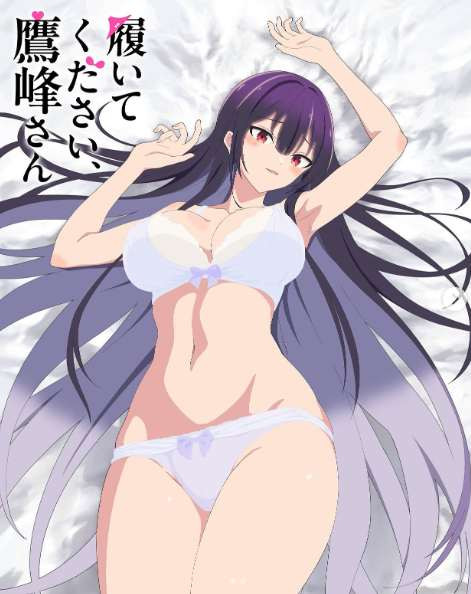
Kuudere: Cool Exterior, Warm Core – The Silent Type That Sneaks Up on Your Heart
Kuudere – the understated MVP of dere types, the one who doesn’t shout her feelings but hits you with ’em like a sniper round. Coined in the mid-2000s otaku forums as a mashup of “kuu” (from “kuuru,” cool/detached like a calm breeze) and “dere dere” (that lovey meltdown), it spun off tsundere’s popularity around 2005-2007 in visual novels and galge. Roots? In 90s stoic heroines, but codified when fans needed a tag for ice queens who thaw without the tsun explosions. Think pre-term echoes in Evangelion‘s Rei, all emotionless clone vibes hiding depth.
Essentially, a kuudere’s emotionally reserved – poker-faced, monosyllabic, logical to a fault – but once trust clicks (usually via quiet loyalty or crisis), they dere into subtle affection: a rare smile, protective acts, or “I… care” whispers. No drama; just steady warmth creeping in. The intent? Contrast to flashy tropes, mirroring Japan’s value on restraint (gaman) and indirect expression, where actions speak louder than words. Vibe-wise, it’s soothing elegance: that serene surface over hidden oceans, evoking reliability in a chaotic world, perfect for viewers craving slow-burn intimacy without the yelling.
Standouts?
Yuki Nagato from The Melancholy of Haruhi Suzumiya (2006) is the blueprint – alien data entity with deadpan delivery, saving the world via library books and quiet “I altered reality for you” bombs that wrecked shippers. Then Mei Misaki from Another (2012), her eyepatch coolness masking horror-trauma care, thawing into tragic tenderness. For peak kuudere goals, Homura Akemi in Puella Magi Madoka Magica (2011) . Time-looping stoic shielding Madoka with endless resets, her dere fracturing into yandere despair. Or modern gem Kanade Tachibana from Angel Beats! (2010), angel-winged mute who piano-plays her heart out.
Fans live for kuudere: r/Kuudere subreddits hoard fanart of “thaw moments”; TikTok edits sync rare smiles to lo-fi beats; and VNs like White Album 2 make kuudere routes the emotional nuke. Evolved spins? Gender-bent males in Oregairu‘s Hachiman, or ironic twists in Kaguya-sama. It’s bled into games like Persona‘s quiet S-links. Kuudere’s magic? That payoff – earning her warmth feels earned, like cracking a safe full of feels. If tsundere’s fire, kuudere’s the glacier that melts your soul. Underrated queens deserve the crown.
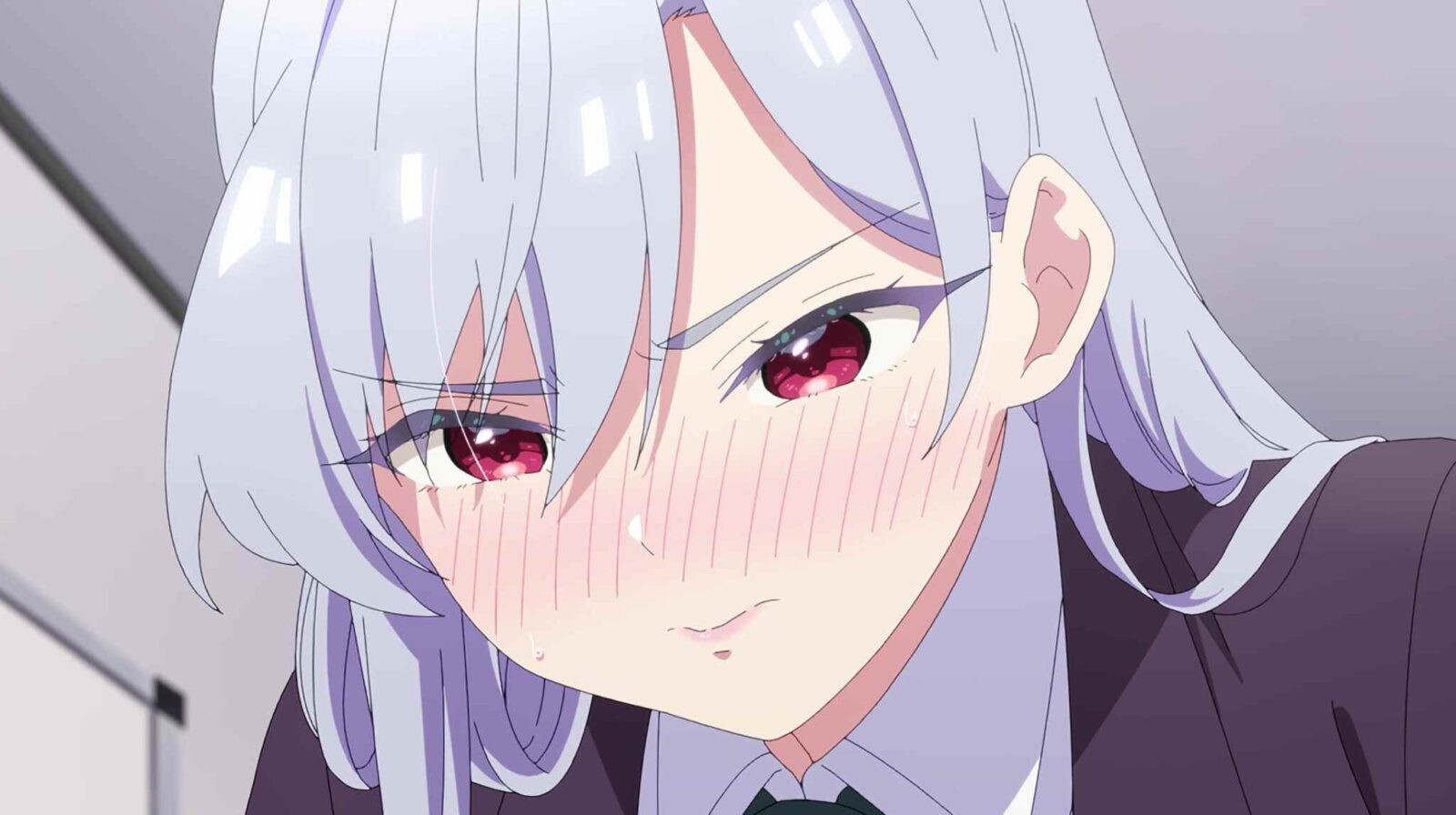
Yandere: Love So Intense It Hurts (Literally – Watch Your Back)
Yandere – holy crap, the dere that turns “I love you” into “I’ll kill for you.” The trope that birthed a thousand creepypasta nightmares and “best girl” wars. Born in the early 2000s doujin and VN scene, smashing “yanderu” (mentally ill/sick) with “dere dere,” it popped off around 2005 with School Days shock value, but precursors lurked in 90s horror like Perfect Blue‘s stalker vibes. Fans needed a label for sweethearts gone psycho, and boom – icon status.
Core deal: Starts as perfect dere – doting, obsessive affection – then snaps into violent jealousy: “If I can’t have senpai, no one can!” Knives, poisons, mind games; all for love. Intent? Explore love’s dark side, twisting romance into thriller, rooted in Japan’s urban legends of scorned lovers and real crimes that inspired media. Vibe’s intoxicating terror: butterflies turning to blood, that addictive mix of adoration and dread, like dating a black widow.
Legends?
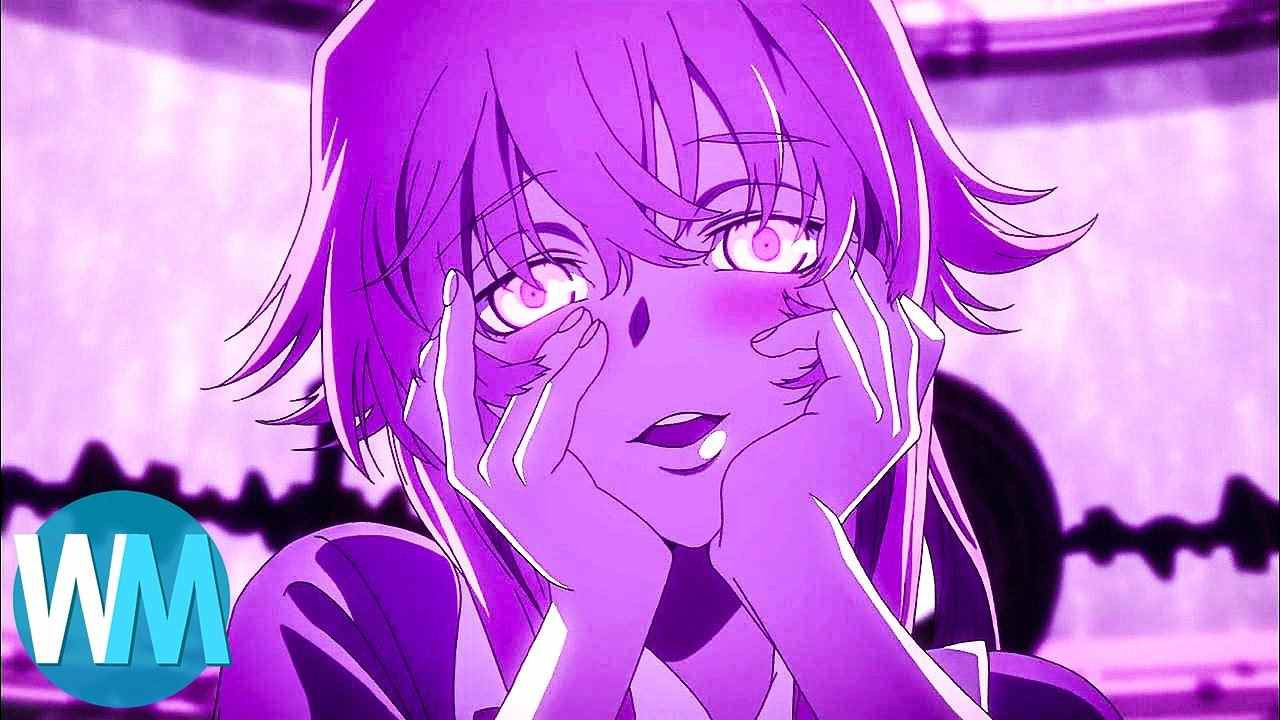
Yuno Gasai from Future Diary (2011) is the yandere goddess – pink-haired diary stalker murdering timelines for Yukki, her “happy end” a bloodbath that defined the trope. Then Kaede/Lucy from Elfen Lied (2004), diclonius horns hiding genocidal split-persona rage over betrayal. For VN origins, Rena Ryuuguu in Higurashi When They Cry (2006) – cute hatchet girl whose “take you home” means chop-chop insanity. Modern monster? Satou Matsuzaka from Happy Sugar Life (2018), candy-coated psychopath hoarding her “sweetie” in a nightmare apartment.
Yandere’s fandom fuel: r/yandere sims roleplay murder waifus; YouTube AMVs sync stabs to love songs; and cosplay warns “don’t break her heart.” Evolved? Simulator games like Yandere Simulator; ironic memes in Doki Doki Literature Club! meta-horror. Western influence? Harley Quinn’s Joker obsession. But warning: yandere’s no joke – it mirrors toxic relationships, sparking real talks on abuse. Still, that thrill? Unmatched. If love’s war, yandere’s the nuke – handle with gloves.
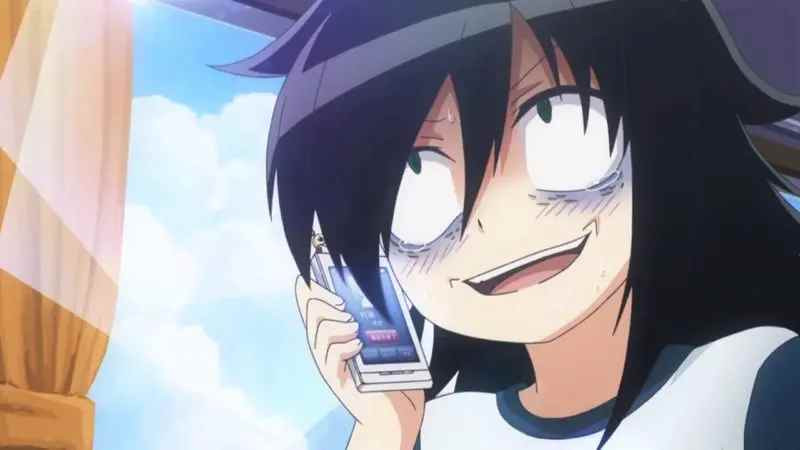
Weeb: The Ultimate Self-Own for Anime Addicts Worldwide
Weeb – the badge of shame and pride, the slur we reclaimed like a boss-level redemption arc. Short for “weeaboo,” it mutated in the early 2000s from 4chan’s /a/ board, riffing on “wapanese” (wannabe Japanese), itself from a 2002 Perry Bible Fellowship comic filter word that stuck as “weaboo” for cringy posers. By 2005, it was otaku slang for gaijin obsessed with Japan beyond reason – ramen slurping, katana collecting, “kawaii desu ne” spamming stereotypes.
Essentially, a weeb’s a Western (or non-Japanese) fan whose anime love spills into cultural appropriation: bad Japanese accents, claiming superiority of pocky, hating dubs while gatekeeping. But post-2010s, it’s self-deprecating humor – everyone calls themselves a weeb ironically. Intent? Mock overzealous fans while bonding the community; vibe’s masochistic fun, owning the outsider status in a globalized hobby.
Famous cases? The archetypal weeb: that 2000s kid with Naruto headband in class, yelling “dattebayo!” Or modern: TikTok weebs doing Naruto runs in public. Media nods? The World God Only Knows parodies otaku escalation; Genshiken dissects club weebs.
Usage?
Everywhere – Twitter bios “proud weeb”; Reddit roasts “weeb starter packs” with body pillows; cons embrace with “weeb trash” merch. Evolved from insult to endearment, like “nerd” reclaim. Diff from otaku? Otaku’s neutral in Japan; weeb’s the export cringe. But hey, in 2025? We’re all weebs now – streaming Crunchyroll, voting MyAnimeList. Embrace it: weebs run the world. No ragrets.
Damn, from ecchi teases to weeb roasts, these terms are the spice that keeps anime addictive AF. The culture’s exploding – AI waifus, metaverse cons, crossovers wilder than ever – and you know we’ll be here cataloging the next wave of lingo. Next drop? Senpai’s notice-me energy, Isekai Anime’s subgenre domination, Gyaru’s flashy glow-ups, and Bishoujo’s beautiful girl blueprint. Hit me with your yandere horror stories below – let’s geek out harder!
In your free time, don’t forget to browse our anime sex doll store!
Want to explore all our articles about Mini Sex Dolls? Visit our All Articles.
 English
  日本語
日本語  한국어
한국어  Deutsch
  Français
  Español