









Blog
Anime Fan’s Crash Course: Embracing Husbando (ハズバンド), Dandere (ダンデレ), Deredere (デレデレ), and Himedere (ヒメデレ) – The Boyfriend Goals, Shy Sweethearts, Lovey-Dovey Darlings, and Royal Princess Demands in Otaku Paradise

Sup, legendary weebs? We’re powering through this epic lexicon quest, and man, the waifu/husbando declaration wars from last time were straight chaos – y’all flooding the comments with dakimakura pics and “my futa phase” confessions? Peak fandom energy, I respect the unhinged vibes. If you’ve ever sworn allegiance to a 2D husbando who’d treat you better than any real dude, melted over a dandere’s rare blush, drowned in deredere affection overload, or bowed to a himedere’s “kneel before your princess” energy, you’re family here.
These terms are the emotional core of our obsession: the ones that inspire fanfics at 4 AM, fuel BL/GL cross-ships, and turn cons into therapy sessions disguised as panels. As a battle-hardened otaku who’s survived multiple waifu purges and husbando revivals since the Fansub Golden Age, I’m hyped to dissect their births (often in obscure VNs), the heartstring tugs that hook us for life, standout characters that redefined best-boy/best-girl standards, and how we wield ’em in tier lists, AMVs, and those spicy AO3 tags. Kicking off this round with husbando’s devoted dude appeal, dandere’s whisper-quiet charm, deredere’s sunshine sweetness, and himedere’s haughty highness. Pour some ramune – we’re about to get feels-heavy.
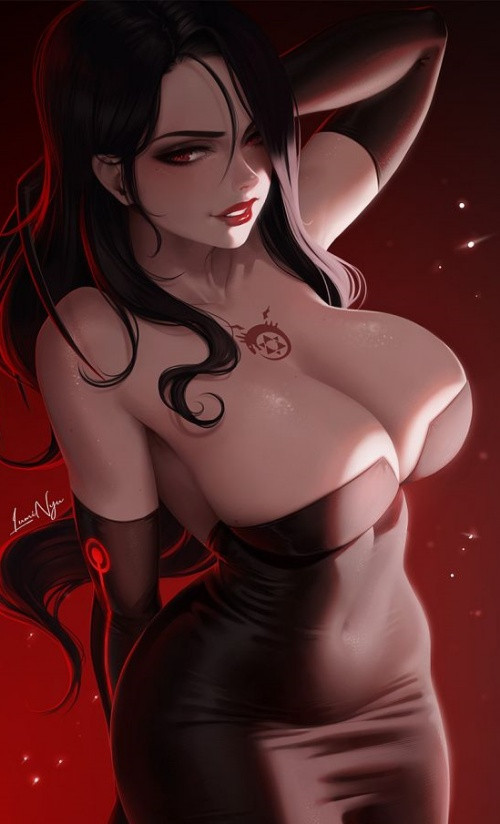
Husbando: Your Dream 2D Boyfriend Who’s Loyal, Hot, and Zero Drama
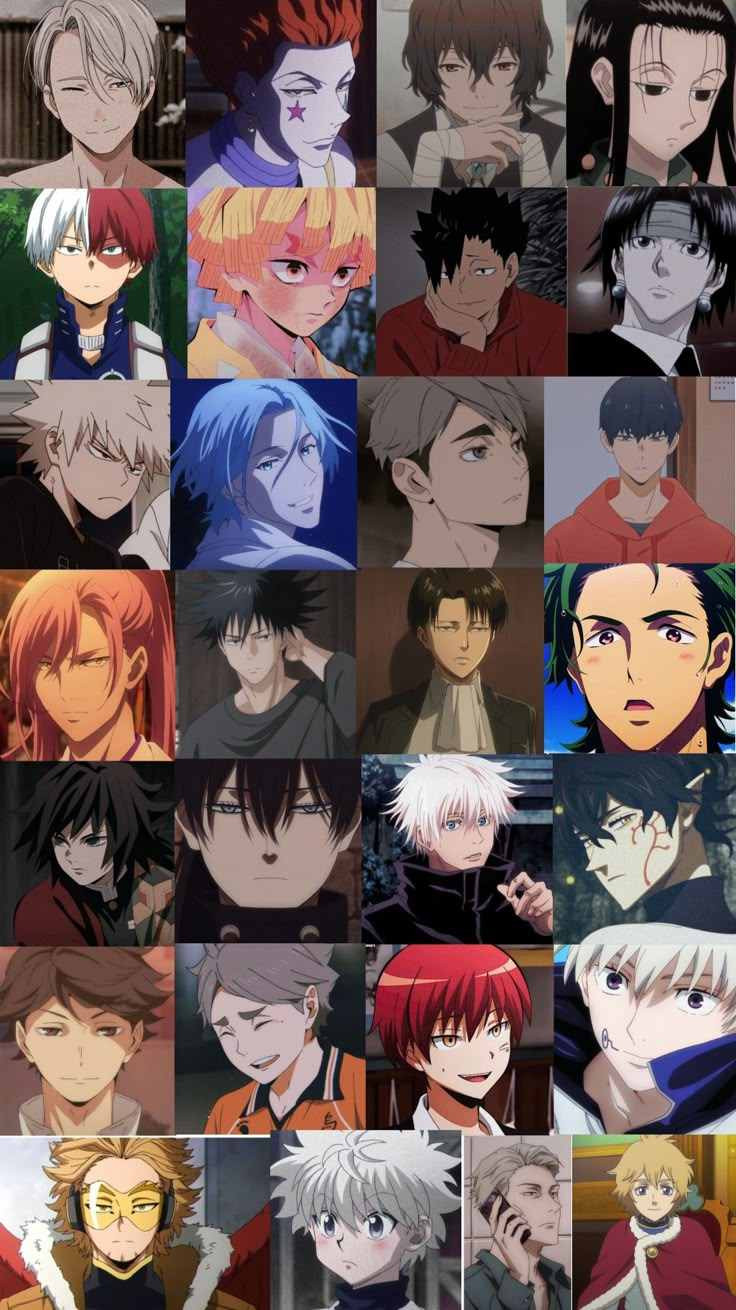
Husbando – the male counterpart to waifu, the ultimate “husband” material that has fangirls (and fanboys) building shrines and declaring “he’s mine” in blood oaths. It’s just “husband” mangled through Japanese katakana, popping up around the same mid-2000s 4chan/2ch era as waifu, but really gaining traction post-2010 with Tumblr’s thirst blogs and the rise of reverse harems. Roots trace to yaoi/BL doujins in the 90s, but husbando exploded when moe hit dudes – think Uta no Prince-sama (2011) idol boom turning pretty boys into claimable spouses. Before that? Echoes in bishounen obsessions from Rose of Versailles (1972).
At its heart, a husbando’s your idealized male character: handsome, skilled, personality dialed to your kink – protective, tsundere, yandere, whatever. You “marry” him via merch, fanart, and eternal loyalty. Intent? Same as waifu: parasocial escapism on steroids, coping with real-world dating flops by crowning a flawless 2D king. Vibe’s comforting possession: that warm glow of “he’d spoil me rotten,” blending admiration with fantasy romance, rooted in Japan’s idol culture where stanning equals ownership.
Prime husbandos?
Levi Ackerman from Attack on Titan (2013) – humanity’s strongest clean freak whose stoic care and tea-sipping had fans proposing mid-battle. Then Osamu Dazai from Bungou Stray Dogs (2016), suicidal bandage boy with genius charm wrapping depression in flirty bandages. Classic: Howl from Howl’s Moving Castle (2004), wizard pretty boy whose heart-stealing literally melts hearts. Modern god: Gojo Satoru from Jujutsu Kaisen (2020) – blindfolded OP sensei smirking through curses, spawning “six eyes on you” thirst.
Fandom flexes: Husbando Thursdays on Insta; body pillow empires on Etsy; “rate my husbando” subreddits roasting taste. Evolved? From rare to mainstream with Genshin Impact gacha husbands bankrupting wallets. Diff from waifu? Often more protective tropes. Globally? K-pop stan crossovers. Husbando’s magic? Unconditional 2D love – no ghosting, just eternal hotness. If he’s your lockscreen, you’re hitched for laifu.
Dandere: The Quiet Wallflower Who Blooms into Your Personal Ray of Sunshine
Dandere – the dere darling who starts silent as a library but opens up into the sweetest soulmate, wrecking you with subtle affection bombs. Mashup of “danmari” (silence/quiet) and “dere dere,” coined early 2010s in Nico Douga/Twitter dere typology threads, spinning off kuudere but softer. Roots in 90s shy heroines like Marmalade Boy‘s reserved types, but codified when fans needed a label for introverts who thaw privately.
Essentially, dandere’s super shy/socially awkward – stutters, hides behind hair/books, avoids crowds – but with trusted ones (usually protag), dere floods: headpats, homemade bentos, “I… like being with you.” No ice like kuudere; just nervous purity. Intent? Relatable for introverts, mirroring Japan’s hikikomori culture and value on deep one-on-one bonds over loud groups. Vibe’s gentle warmth: that precious rarity of earned intimacy, like discovering a hidden meadow, evoking protection instincts and slow-burn butterflies.
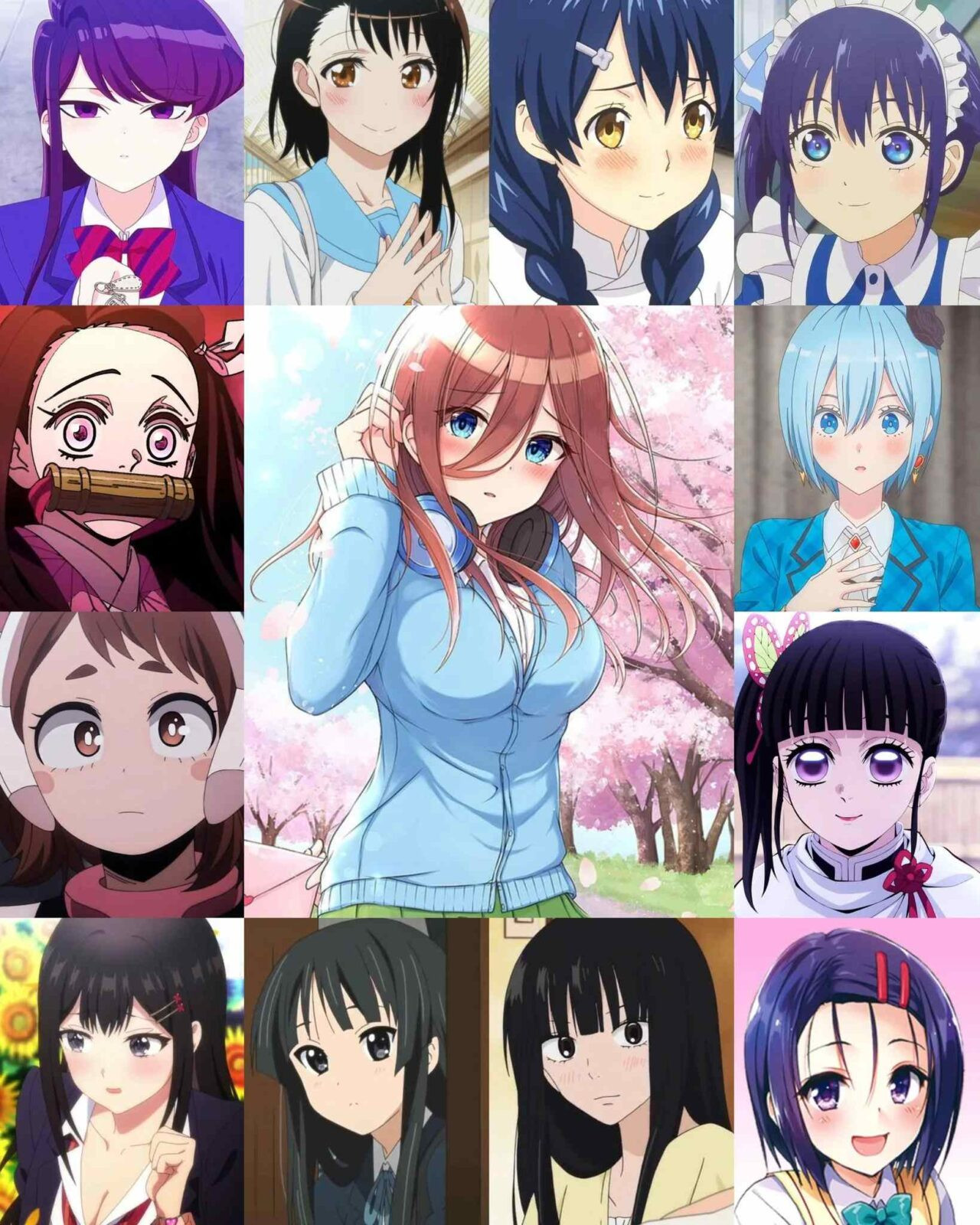
Icons? Hinata Hyuga from Naruto (2002) – Byakugan princess whose quiet crush on Naruto evolves into fierce loyalty, her “Naruto-kun” whispers iconic. Then Mio Akiyama from K-On! (2009), bass-playing wallflower whose stage fright hides poetic depth and tea-time dere. Peak bloom: Nagisa Furukawa in Clannad (again!), dango-obsessed shy girl rebuilding lives with soft smiles. Modern treasure: Futaba Rio from Rascal Does Not Dream of Bunny Girl Senpai (2018), genius gamer whose social anxiety cracks for Sakuta’s sake.
In the scene: r/dandere hoards “smile compilations”; YouTube edits sync blushes to acoustic tracks; VNs like Doki Doki subvert with meta twists. Evolved? Male danderes in Horimiya‘s quiet dudes. It’s bled into webtoons and light novels. Dandere’s allure? That transformation – quiet to radiant feels like winning the lottery of love. If you guard a shy one, you’re the hero they need. Underrated gems shine brightest.
Deredere: The Non-Stop Affection Machine That’s Pure Sugar Rush Romance
Deredere – the dere OG, the lovey-dovey fireball who drowns you in hugs, compliments, and heart eyes from minute one, no tsun required. Just “dere dere” (sweet/melty) doubled up, predating typed deres – used since 90s in eroge for always-affectionate routes, but popularized 2000s as baseline for happier endings in galge like To Heart (1997).
Core: Hyper-loving characters – beaming smiles, “I love you!” spam, clingy physicality – zero walls, all warmth. Often genki or yamato nadeshiko vibes. Intent? Counterbalance angsty tropes with uncomplicated joy, channeling Japan’s ideal of harmonious relationships. Vibe’s euphoric bliss: constant validation high, like puppy love on espresso, healing cynical hearts with unfiltered positivity.
Standouts? Belldandy from Ah! My Goddess (1993 OVA) – goddess literally wishing eternal love, her deredere grace defining harem heaven. Then Chika Fujiwara from Kaguya-sama: Love is War (2019), chaos gremlin whose affection bombs explode in rap battles and hugs. Classic: Riza Hawkeye in Fullmetal Alchemist (2003), loyal deredere with guns. Ultimate: Raphtalia from The Rising of the Shield Hero (2019), tanuki girl whose unwavering devotion levels up with Naofumi.
Fans devour: Deredere AMVs to pop songs; cosplay “hug attacks” at meets; fanfics amp to yandere crosses. Evolved? In isekai slaves-turned-lovers. Deredere’s power? Infectious happiness – one dose, and you’re smiling too. In a trope-full world, pure love wins.

Himedere: The Ojou-sama Princess Who Demands Worship (and Secretly Craves Your Love)
Himedere – the regal queen bee who acts like royalty, expecting bows and “yes, princess” obedience, but melts dere under the crown. Blend of “hime” (princess) and “dere dere,” emerging late 2000s in moe forums alongside oujidere (prince), for arrogant ojou-sama types who thaw.
Essentially: Haughty, “ara ara” laughing rich girls – ringlet curls, fans, commands – tsun-ish superiority hiding insecurity. Dere hits via humility lessons. Intent? Satirize class dynamics, explore vulnerability in privilege. Vibe’s thrilling conquest: taming a dragon into a purring cat, that power flip satisfaction.
Queens? C.C. from Code Geass (2006), pizza-obsessed immortal with commanding aura. Then Erina Nakiri from Food Wars! (2015), God’s Tongue diva whose tsun critiques dere into passion. Icon: Louise from Zero no Tsukaima (himedere-tsundere hybrid). Modern: Kaguya Shinomiya in Kaguya-sama, prestige princess waging love wars.
Usage: r/himedered fanart of “throne sits”; TikTok “oui, madame” skits. Evolved? Villainess isekai. Himedere’s charm? Earning her dere feels royal – bow down, rise up loved.
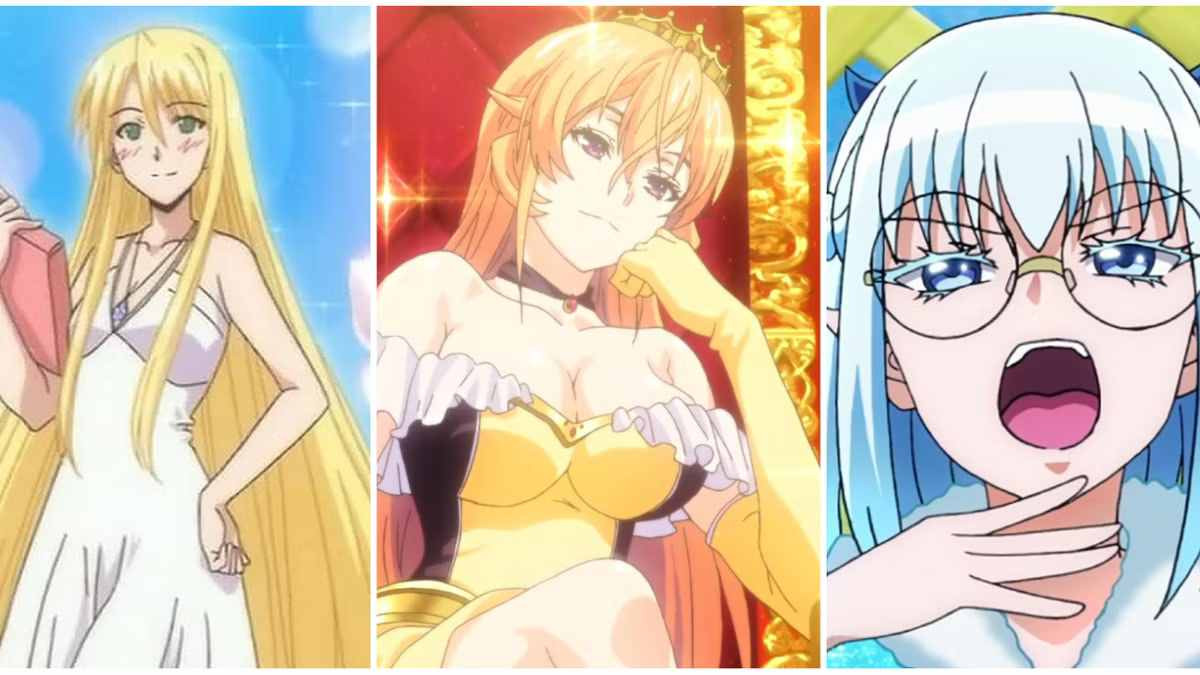
Whew, husbandos to himederes – these tropes are the romance engine keeping us simping eternally. Anime’s evolving wild with VR dates and global idols, birthing slang we’ll compile next. Upcoming? Otaku’s insider identity, Oppai’s bouncy obsession, Ahegao’s ecstasy face, and Hentai’s adult animation empire. Claim your husbando below – let’s start the wars!
In your free time, don’t forget to browse our anime sex doll store!
Want to explore all our articles about Mini Sex Dolls? Visit our All Articles.
 English
  日本語
日本語  한국어
한국어  Deutsch
  Français
  Español