












Blog
Anime Fan’s Crash Course: Unpacking Otaku (おたく), Oppai (おっぱい), Ahegao (アヘ顔), and Hentai (変態) – The Fandom Identity, Boob Obsession, Ecstasy Overload, and Perverted Animation Legacy

What’s crackin’, absolute madlads of the anime underworld? We’re smashing through this term treasury like a Gundam on a rampage, and damn, the husbando/dandere confessionals from last round turned the comments into a full-blown feels fest – y’all sharing deredere fanfics and himedere roleplay fails? That’s the raw, unfiltered passion that keeps this community immortal. If you’ve ever embraced the “otaku” label like a badge of honor (or shame), paused an episode for oppai physics appreciation, replicated an ahegao face in the mirror (no judgment), or defended hentai as high art in family dinners, you’re riding this wave with the elites.
These words are the foundational pillars and guilty pleasures: the ones that define our tribe, spark NSFW raids on gelbooru, and evolve into memes that outlive seasons. As a grizzled survivor of the VHS hentai hunts and modern streaming purges, I’m stoked to trace their gritty origins (some straight from taboo town), the addictive vibes that grip our souls, legendary series/artists that etched them in stone, and how we drop ’em in convos, from AniTube reactions to that one heated Discord voice chat. Diving into otaku’s proud nerdom, oppai’s jiggle physics, ahegao’s climax chaos, and hentai’s adult empire. Hydrate and hide your history – we’re going full throttle.
Otaku: The Die-Hard Fan Label That’s Evolved from Insult to Global Empire
Otaku – the ultimate self-identifier that’s gone from basement-dwelling slur to billion-dollar cultural juggernaut, repping anyone obsessed with anime/manga beyond casual. In Japan, it literally means “your house” (honorific “o” + taku house), used since the 80s by essayist Nakamori Akio in Manga Burikko (1983) to mock awkward fans who hole up with merch, socially inept and hyper-fixated. It blew up negatively via the 1989 Tsutomu Miyazaki serial killer case (media dubbed him “otaku murderer”), tarring the term with creep vibes until the 90s evangelion boom and figures like Gainax reclaimed it. Globally? Exported via Otaku no Video (1991 OVA), turning it into proud geekdom post-2000s.
Core essence: Deep-dive enthusiasts – collecting figures, memorizing seiyuu, debating arcs at cons – often with niche kinks, but now mainstream thanks to streaming. Intent? Originally derogatory for over-attachment; now empowering community badge, reflecting Japan’s subculture pride amid conformity pressure. Vibe’s passionate isolation-to-belonging: that euphoric high of shared hyperfixation, like finding your tribe in a normie world, blending shame with superiority.
Icons? Haruhara Haruko from FLCL (2000) as chaotic otaku energy. Meta king: Genshiken (2004), club of otaku dissecting their cringe – Konata Izumi in Lucky Star (2007) moe-ifying it with konami code refs. Modern: Wagnaria!!‘s otaku staff. Real-life: Directors like Hideaki Anno self-identifying.
Fandom deployment: “Filthy otaku” self-roasts on Twitter; Otakon conventions worldwide; subreddits like r/otaku glorifying hauls. Evolved? From Japanese-only insult to worldwide “weeaboo” cousin, now positive with VTuber otaku armies. Diff from weeb? Otaku’s authentic depth. Otaku built this empire – without us, no Crunchyroll billions. Wear it loud; we’re the culture now.

Oppai: The Bouncy Breast Obsession That’s Anime’s Signature Fanservice Staple
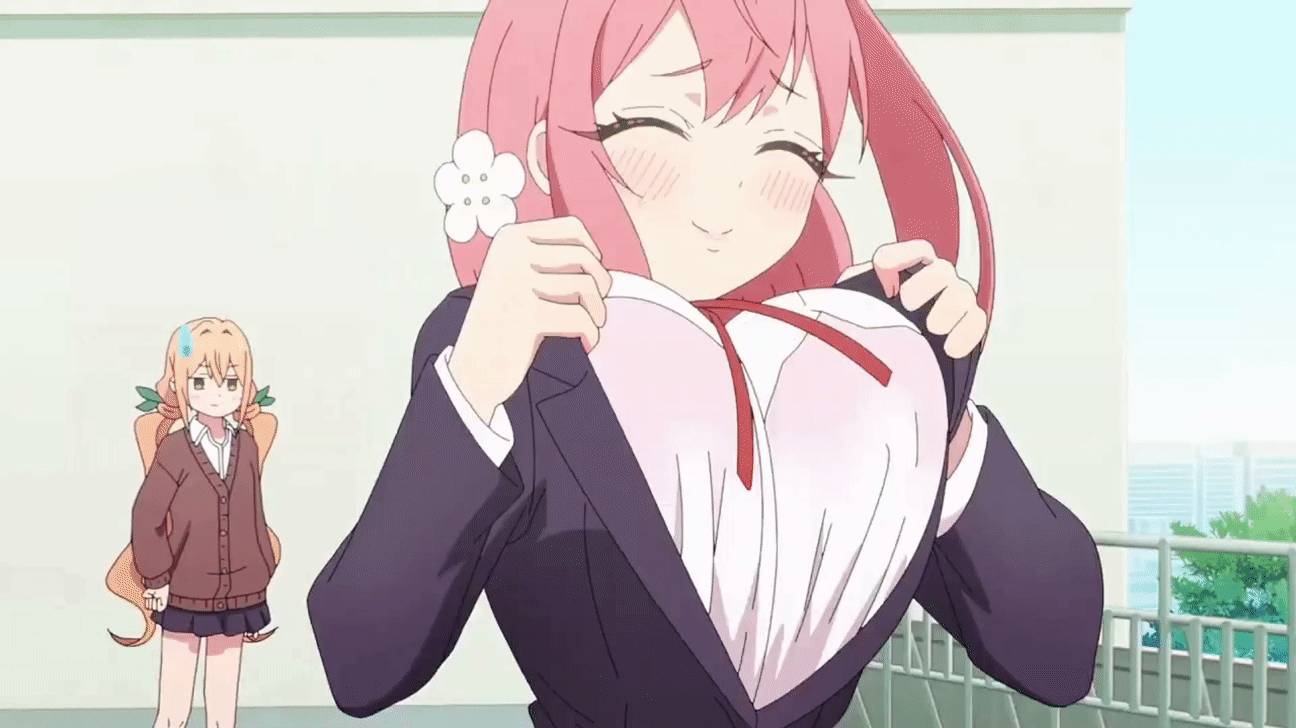
Oppai – the playful slang for “boobs” that’s cranked fanservice to god-tier levels, turning every bounce into a physics masterpiece. Childlike onomatopoeia for breasts (like “boing boing”), it dates back to 70s-80s ecchi manga but exploded in 90s OVAs and games, especially with Oppai Mousepads patented in the 2000s, making 3D oppai merch a thing. Roots? Japan’s postwar pinup culture mixed with lolicon counters, emphasizing exaggerated chests for moe contrast.
Essentially: Hyper-focused on large, jiggle-tastic breasts – loli-oppai paradoxes, oppai loli tropes, or just “oppai ga suki da!” declarations. Scenes pause for slow-mo bounces, beam attacks from cleavage. Intent? Pure titillation and humor, subverting seriousness with sex appeal, rooted in fertility symbols twisted kawaii. Vibe’s hypnotic fun: that guilty pleasure stare, blending comedy with arousal, like a stress ball that fights back.
Legends? High School DxD‘s Rias Gremory – crimson-haired oppai demon queen powering up via pawns on her chest. Manyuu Hikenchou (2011), swordplay satire where oppai size dictates social status, literal chop-offs. Queen: Sena Kashiwazaki from Haganai (2011), “meat” nickname for her assets. Physics GOAT: Senran Kagura games/anime, ninja girls bursting outfits mid-fight.
In action: r/oppai for screenshots; oppai hoodies at cons; AMVs syncing bounces to eurobeat. Evolved? VR oppai interactions, AI upscaling jiggle. Global? Inspired Western “boob physics” mods. Oppai’s not subtle – it’s anime’s heartbeat, pumping life into deadpan scenes. If it bounces, it counts. Own the stare; science demands it.
Ahegao: The Rolled-Eyes Ecstasy Face That’s Peak Over-the-Top Climax Energy
Ahegao – the infamous “O-face” gone nuclear, with tongue lolling, eyes crossed/rolled back, drool cascading – pure orgasmic meltdown captured in one deranged expression. “Ahe” from “aheahe” (panting) + “gao” (face), coined in 90s-2000s doujinshi for hentai climax panels, exploding online mid-2010s via Tumblr/Pixiv, inspired by real AV but amped to caricature. Precursors? 80s ero-manga exaggerated faces.
Core: Exaggerated pleasure breakdown – often in corruption/training scenes, symbolizing mind-break from overload. Intent? Visualize ultimate surrender, pushing eroticism into absurd comedy/horror. Vibe’s chaotic release: that mix of hot and hilarious, taboo-shattering intensity like laughing at the abyss of lust, rooted in loss-of-control fetishes.
Standouts? Euphoria (2011 again), locked-room mind-breaks with ahegao floods. Doujin queen: Asanagi’s works, brutal ahegao transformations. Anime nod: Interspecies Reviewers parodies; Redo of Healer weaponizes it in revenge plots. Viral: Kokoro from Darling in the Franxx, zero two ahegao memes.
Usage: Ahegao hoodies (banned at cons); TikTok face challenges; rule34 tags dominating. Evolved? Real-life cosplay with contacts, SFW ironic versions. Controversial? Consent debates rage. Ahegao’s genius? Freezing peak bliss in hilarity – one face, endless pauses. If you’ve tried it solo, high five.

Hentai: The Perverted World of Adult Anime That’s Art, Addiction, and Industry Giant
Hentai – the blanket term for animated porn that’s weirder, wilder, and more tentacle-y than live-action could dream, meaning “pervert” or “abnormal” (hen strange + tai condition). Used since Meiji era for perversion, but as genre label from 70s-80s with Cream Lemon series (1984), exploding via OVAs like La Blue Girl (1992) when censorship forced creativity (tentacles dodge penis pixels).
Essentially: Explicit anime – vanilla to extreme (vore, guro) – often with plot twists, harems, netorare. Intent? Unrestricted fantasy, exploring taboos safely. Vibe’s liberating excess: no limits immersion, blending arousal with storytelling, rooted in shunga woodblocks.
Titans? Bible Black occult orgies; Taimanin Asagi ninja rape-revenge; Hentai Haven (RIP) hosted legends. Classic: Urotsukidōji overfiend apocalypse porn.
Fandom: NHentai galleries; “hentai vs evil” memes; conventions’ hentai alleys. Evolved? 3D hentai, AI-generated. Global? $20B industry. Hentai’s not just fap – it’s freedom. Defend it; masterpieces hide in sauce.
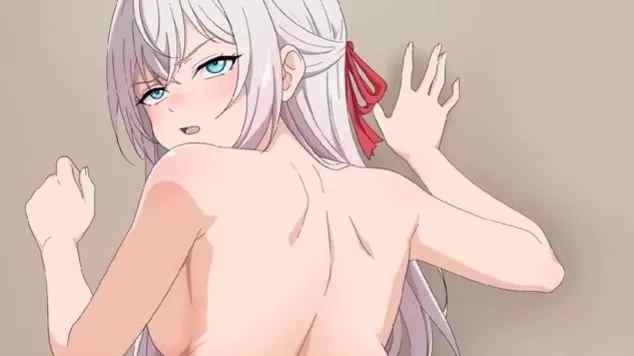
Boom – otaku pride to hentai havens, these are the words that built and scandalized our world. Anime’s mutating with deepfakes and metaverse smut, priming for fresh vocab bombs. Next: Netorare’s heartbreaking theft, Loli’s controversial cuteness, Shota’s boyish inverse, and Reverse Harem’s lady paradise. Drop your hentai hot takes below – no vanilla allowed!
In your free time, don’t forget to browse our anime sex doll store!
Want to explore all our articles about Mini Sex Dolls? Visit our All Articles.
 English
  日本語
日本語  한국어
한국어  Deutsch
  Français
  Español