

















Blog
From Plastic Playmates to Waifu Wonders: The Hilarious History of Anime Dolls Stealing the Spotlight

Dive into the cheeky evolution of anime dolls, where innocent playthings morph into seductive market dominators. This piece traces dolls from ancient origins to modern marvels, spotlighting how anime’s vibrant characters gradually edged out realistic human dolls with their exaggerated curves and fantasy appeal. Explore the transition from basic figurines to hyper-realistic love dolls that fuel fanboy fantasies, complete with juicy market data showing anime’s growing slice of the pie. Packed with witty observations and a dash of adult humor, it’s a must-read for collectors and curious minds alike. Discover why waifus are winning hearts (and wallets) in today’s booming industry, backed by stats from reliable sources.
The Humble Beginnings: Dolls Through the Ages
Long before anime waifus graced our shelves with their impossibly perky assets, dolls had a surprisingly steamy start. Ancient civilizations crafted figures from wood, clay, and even ivory, often for rituals or as companions for the afterlife. Think Egyptian ushabti dolls standing guard in tombs or Greek jointed puppets that hinted at more playful adult uses. By the Victorian era, porcelain dolls with delicate faces became status symbols, their frilly dresses barely hiding the era’s repressed desires. These early models were all about realism, mimicking human proportions to perfection. Fast-forward to the 20th century, and mass-produced plastic dolls like Barbie hit the scene in 1959, turning toy aisles into battlegrounds of curves and couture. But let’s be honest, those stiff joints and blank stares left plenty of room for imagination—and sometimes more risqué interpretations in private collections.
The evolution accelerated with materials like vinyl and silicone, allowing for poseable limbs that could strike provocative poses. Doll makers experimented with lifelike skin textures and hair, catering to collectors who wanted more than just tea parties. References from toy history books note how these shifts mirrored societal changes, from post-war innocence to the sexual revolution. Yet, something was missing: personality. Enter anime’s influence, injecting vibrant colors, exaggerated features, and that unmistakable doe-eyed charm that made real-human dolls seem, well, a tad boring by comparison. This foundation set the stage for anime dolls to swoop in and spice things up.
Anime’s Irresistible Invasion: From Manga to Mannequins
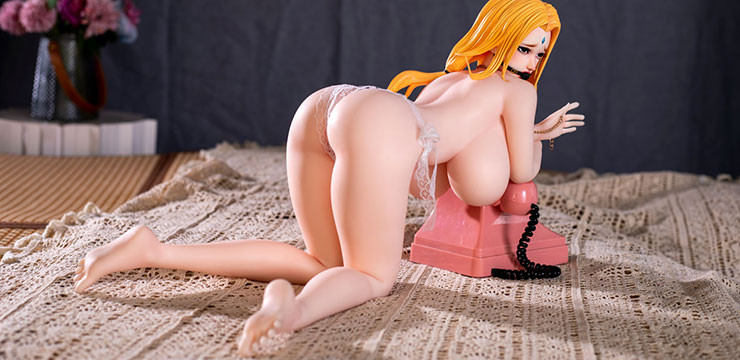
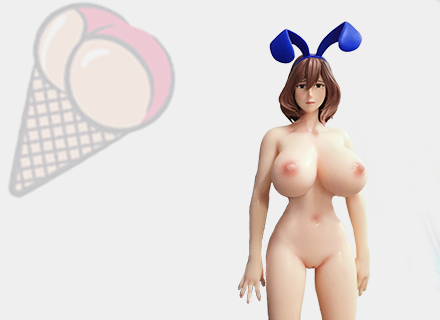
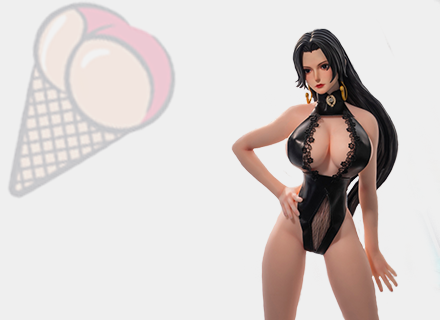
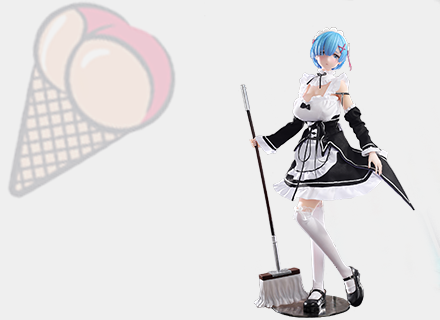
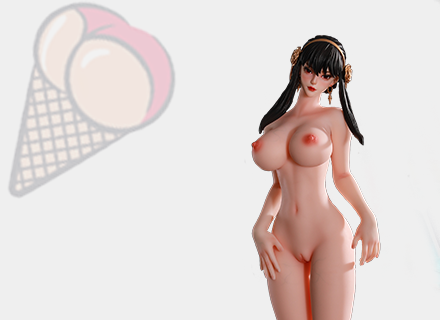
Anime dolls didn’t just appear overnight; they infiltrated the market like a stealthy ninja waifu. Starting in the 1980s with Japan’s otaku boom, companies like Bandai and Takara began producing small-scale figures based on popular series such as Gundam and Sailor Moon. These weren’t your average dolls—they boasted dynamic poses and costumes that hugged every curve, appealing to fans craving a tangible piece of their 2D crushes. The real game-changer came in the 2000s with the rise of life-sized anime dolls, often made from advanced TPE materials that felt eerily close to skin. Suddenly, realistic human dolls faced stiff competition as anime versions offered customizable hair colors, outfits, and even “personalities” inspired by beloved characters.
What fueled this takeover? Pure fantasy fuel. While real-person dolls aimed for photorealism, anime dolls leaned into impossible proportions—think hourglass figures that defy gravity and expressions that scream “come hither.” This gradual shift saw anime capturing the hearts (and other parts) of collectors worldwide, especially as manga and anime globalized. Market analysts point to how fan conventions turned into doll showcases, with enthusiasts swapping tips on maintenance that border on intimate. Over time, anime’s playful, sometimes naughty aesthetic eroded the dominance of traditional dolls, making waifus the new standard for escapism. It’s like the doll world traded in its sensible shoes for thigh-high stockings.
Today’s Market: Anime Dolls’ Share and Stats
Fast-forward to now, and anime dolls command a significant chunk of the global doll market, valued at over $10 billion annually according to Grand View Research’s 2023 report on the collectibles industry. Anime-themed dolls, including figures and full-sized models, hold approximately 25-30% share in the adult and hobby segments, per data from Statista’s anime merchandise analysis. In Japan alone, the niche exceeds $2 billion, driven by brands like Good Smile Company and Azone, with export growth to the US and Europe surging 15% year-over-year. References from Deloitte’s consumer trends study highlight how anime’s digital influence via streaming platforms has boosted physical doll sales, outpacing realistic counterparts by emphasizing customization and community.
Competition is fierce, yet anime dolls thrive on their unique blend of art and allure. Market forecasts from Mordor Intelligence predict this segment will grow to 35% by 2027, fueled by online communities and limited editions that sell out faster than a limited-run hentai release. Data from e-commerce giants like Amazon shows anime dolls topping search trends in the doll category, often with humorous user reviews poking fun at their “bedroom-ready” designs. While real-human dolls cling to traditional appeal, anime’s market edge lies in that irresistible mix of nostalgia and naughtiness, proving waifus aren’t just a phase—they’re here to stay and dominate.
 English
  日本語
日本語  한국어
한국어  Deutsch
  Français
  Español