











Blog
Anime Fan’s Crash Course: Mastering Senpai (先輩), Isekai Anime, Gyaru (ギャル), and Bishoujo (美少女) – From Hierarchy Crushes to Flashy Makeovers and Ultimate Beauty Ideals

What’s good, otaku squad? We’re rolling deep into this glossary grind, and damn, the love from you legends has been fire – those ecchi debates and yandere survival tips in the replies had me cackling like a Konosuba explosion. If you’ve ever simped for a “notice me, senpai” moment, binged isekai until Truck-kun became your sleep paralysis demon, or thirsted over gyaru glow-ups that turn plain Janes into queens, you’re in the right spot.
These terms are the building blocks of our shared delirium: the ones that spark ship wars on Discord, fuel cosplay transformations at AX, and make you pause episodes to Google “wait, is that a bishoujo trope?” As a vet who’s hoarded terabytes of torrents since the Limewire era, I live for unpacking this stuff – origins buried in old-school manga, the cultural gut-punch they deliver, iconic series that immortalized them, and how we sling ’em in memes, fanfics, and that one toxic Twitter thread. Today, we’re tackling senpai’s irresistible pull, isekai anime’s genre takeover, gyaru’s rebellious sparkle, and bishoujo’s timeless pretty-girl magic. Let’s level up your vocab game – your waifu rankings will thank you.
Senpai: The Upperclassman Crush That’s All About Respect, Rivalry, and Romance
Senpai – straight-up the heartbeat of every school-set anime, the word that turns “older classmate” into a full-blown fetish for hierarchy and unrequited pining. It’s pure Japanese, meaning “senior” or “upperclassman” (from “sen” for prior and “pai” for companion), rooted in Confucian-influenced social structures dating back to feudal Japan, where juniors (kohai) owe deference to seniors in schools, dojos, or workplaces. In anime? It hit critical mass in the 80s-90s rom-coms and sports series, but the romantic spin exploded in the 2000s with moe culture, turning respect into “notice me!” desperation. Before that, it was just polite address; now it’s code for that intoxicating mix of admiration and attraction.
At its essence, senpai’s the experienced superior – skilled, cool, maybe aloof – while kohai’s the eager beaver chasing validation. But in romance? It’s fuel for tension: confessions, club activities, or accidental intimacy where “senpai” gets breathlessly moaned. The intent? Mirror real Japanese school dynamics, where senpai-kohai bonds build mentorship but breed crushes, emphasizing humility, effort, and indirect flirting. Vibe-wise, it’s addictive power imbalance: the thrill of earning approval from someone “above” you, blending respect with raw desire, like climbing a social mountain for a kiss at the summit.
Hall-of-famers?
Nagisa Furukawa from Clannad (2007) flips it – Tomoya’s the delinquent kohai, but her gentle senpai energy heals his soul in a tearjerker arc that’s peak “senpai, let’s rebuild the drama club!” Or Zero Two from Darling in the Franxx (2018), whose rebellious “darling” masks senpai-level piloting prowess, dragging Hiro into mecha matrimony. Classic crusher: Takumi Fujiwara in Initial D (1998), the drift king senpai that every car nerd kohai idolizes. But the trope king? My Teen Romantic Comedy Yahari (2013) – Yukino Yukinoshita’s ice-queen senpai aura crushes Hachiman while subverting the notice-me cliché.
Fans obsess hard: “Notice me senpai” memes flood Tumblr with Helga Pataki edits; cosplayers rock armbands for that club hierarchy flex; and fanfics tag “senpai/kohai dynamics” for slow-burn gold. It’s evolved – gender-swapped in BL like Sasaki and Miyano, or parodied in Kaguya-sama where prestige wars mock the system. Globally? Inspired K-dramas and Western teen flicks. Senpai’s not just a title; it’s the ultimate chase – that “finally noticed” high beats any harem win. If you’ve yelled it at your screen, congrats: you’re kohai for life.

Isekai Anime: The Subgenre That’s Truckin’ Over Everything Else
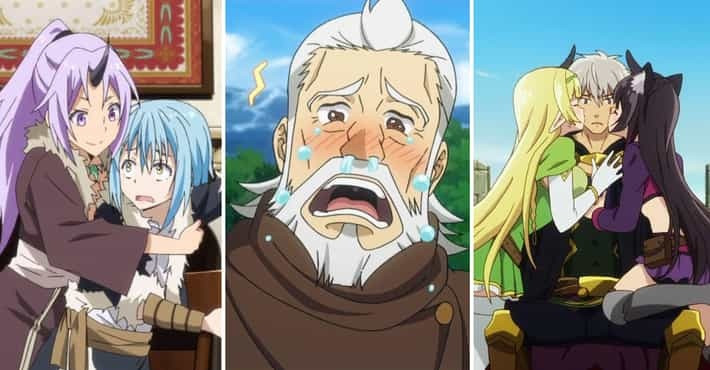
Isekai anime – the juggernaut that’s basically colonized seasonal charts, turning “died and reborn OP” into a billion-yen empire. Building on the broader isekai lit roots (folktales to 80s novels), “isekai anime” specifically tags the animated boom starting 2012 with Sword Art Online, but precursors like Fushigi Yuugi (1995) or Spirited Away (2001) dipped toes in portal fantasy. The 2010s web novel surge (Narou platform) flooded adaptations, making it the go-to for escapist bangers where norms get cheats and harems.
Core formula: Protagonist transported/reincarnated to fantasy world, gains god-tier skills, builds alliances (often romantic), conquers threats. But anime amps the visuals – glowing skills, slime evolutions, epic summons. Intent? Amplified wish-fulfillment: real-life losers become legends, critiquing society while indulging power trips. Vibe’s euphoric rush: wide-eyed wonder at new worlds, dopamine from level-ups, but smarter ones add satire or suffering.
Standouts? Overlord (2015) – Ainz’s skeleton overlord reign turns MMO into empire-building nightmare fuel, with anime’s bone-chilling CGI hordes. Mushoku Tensei: Jobless Reincarnation (2021) nails growth – Rudeus’s pervy reincarnation arc evolves from cringe to heartfelt redemption, animation popping with magic porn. Comedy gold: The Eminence in Shadow (2022), Cid’s chuunibyou delusions accidentally build a shadow empire – pure meta hilarity. OG disruptor: No Game No Life (2014), sibling gamers conquering Disboard with brain games and fanservice.
In the wild: r/Isekai quarterly threads rank “best power systems”; Crunchyroll simulcasts spawn “isekai fatigue” rants; merch like Rimuru figures dominate. Evolved sub-types: villainess (My Next Life as a Villainess), slow-life farming (I’ve Been Killing Slimes for 300 Years). Western riffs? The Boys homages. Isekai anime’s dominance? It’s anime’s Marvel phase – formulaic fun with gems that transcend. If you’re not isekai’d yet, what are you waiting for? Truck-kun’s revving.
Gyaru: From Street Fashion Rebels to Tan-Skinned, Big-Hearted Makeover Queens
Gyaru – the flashy fireball of fashion tropes, where “gal” (from English “girl”) got Japanified in the 90s Shibuya street scene, evolving from Yankee delinquent vibes to kogal uniforms and ganguro blackface extremes. Peaked in 2000s mags like egg and Popteen, but anime adopted it in the 2010s for contrast characters – tanned, bleached-hair, heavy-makeup babes defying yamato nadeshiko ideals. Roots? 70s California valley girl imports mixed with bubble-era excess.
Essentially, gyaru’s the outgoing, trendy extrovert: platform boots, miniskirts, circled lenses, speaking in slang like “cho kawae.” Often starts as bully or airhead, reveals loyal heart via makeover arcs. Intent? Subvert beauty standards, celebrate rebellion and self-expression in conformist Japan. Vibe’s vibrant energy: unapologetic glamour masking insecurity, that “fake it till you make it” glow-up empowerment.
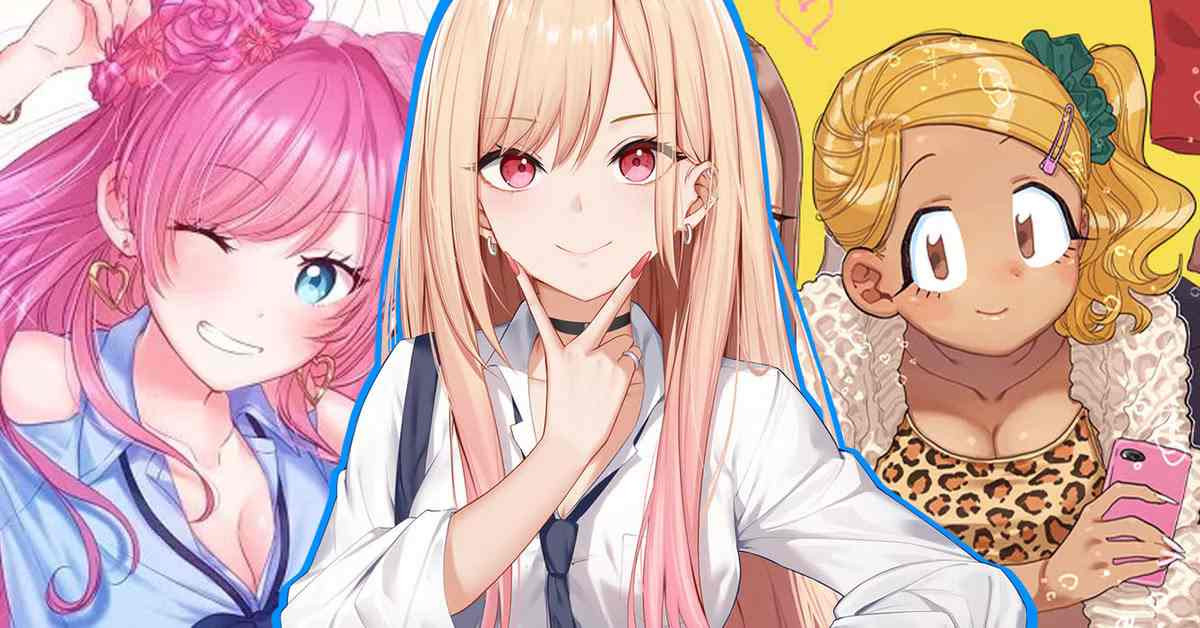
Icons? Marin Kitagawa from My Dress-Up Darling (2022) – cosplay gyaru melting otaku Wakana’s world with bubbly enthusiasm and pro-level sewing, anime’s gyaru redemption arc supreme. Classic mean-girl-turn-friend: Sun Seto in My Bride is a Mermaid (2007), gangster mermaid gyaru whose tan hides aquatic secrets. For origins, Gals! (2000 manga/anime) – Ran Kotobuki’s Shibuya queen bee life lessons in friendship. Modern slay: Runa from Kakegurui (2017), gambling gyaru with loli twists.
Fandom flourishes: TikTok gyaru makeup tutorials hit millions; Comiket gyaru cosplays with UV tans; subreddits revive 2000s kogal. Evolved? Onee-gyaru big sis types, or dark gyaru in horrors. Global? Influenced J-fashion exports and Doja Cat vibes. Gyaru’s message? Beauty’s bold – slap on that gloss and own the room. Every plain girl needs a gyaru arc.
Bishoujo: The Beautiful Girl Archetype That’s Pure Eye Candy Evolution
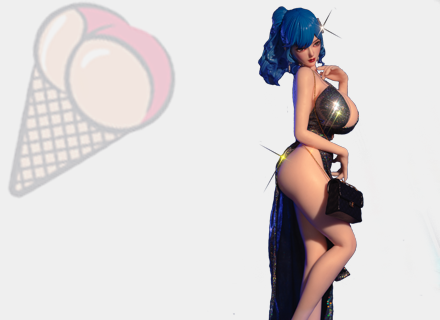
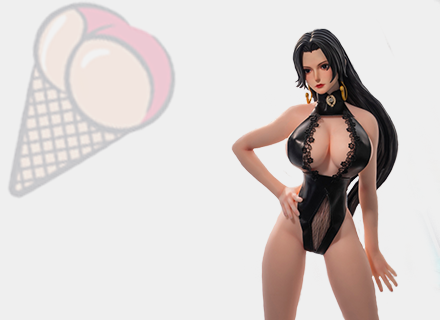
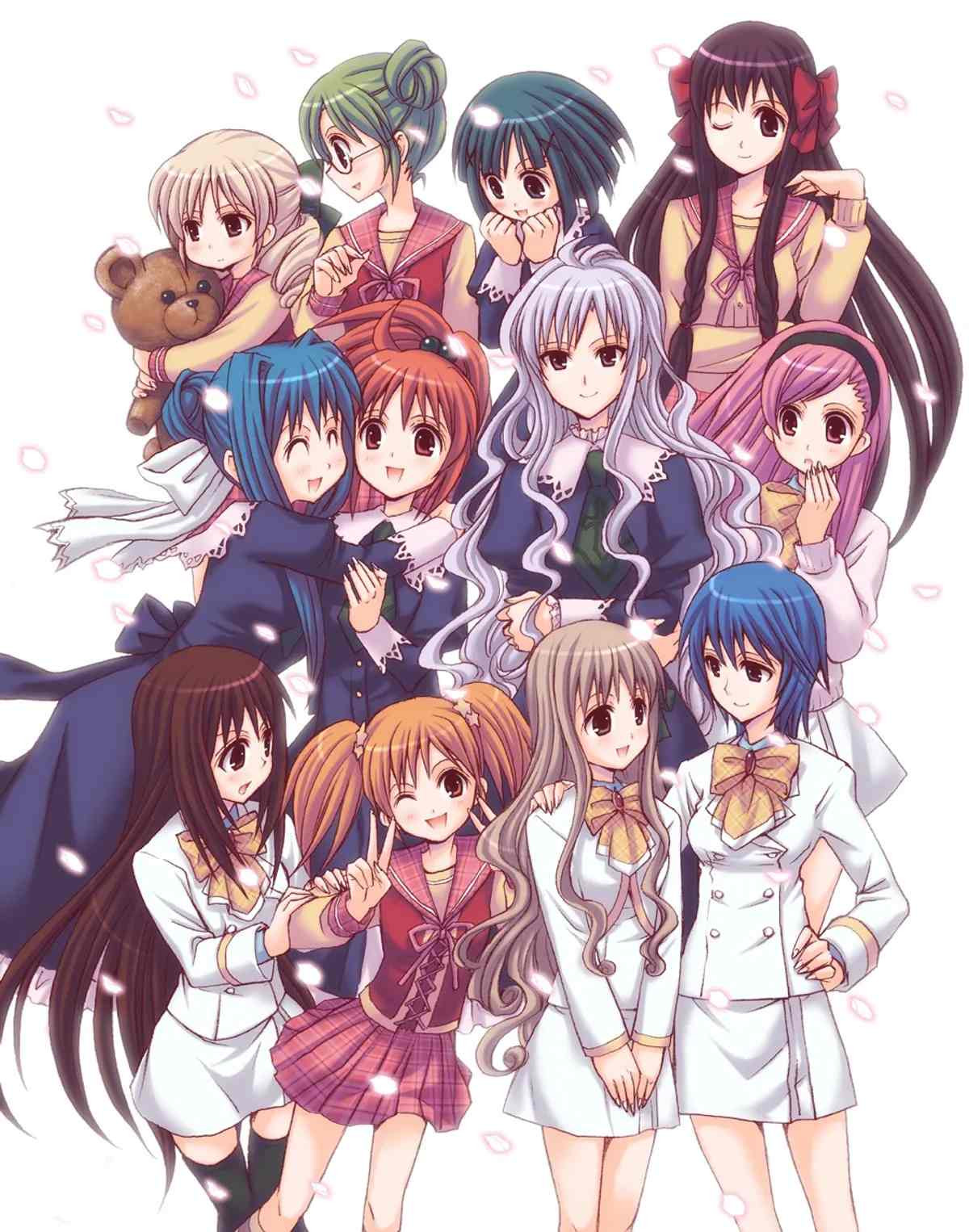
Bishoujo – the granddaddy of “pretty girl” tropes, literally “beautiful young woman” (bi for beauty, shoujo for girl), dominating since 80s bishoujo games like Tokimeki Memorial (1994). Roots in Heian-era literature praising courtly beauties, but modern form from 70s-80s dating sims and idol culture, labeling games/anime centered on stunning females for male gaze.
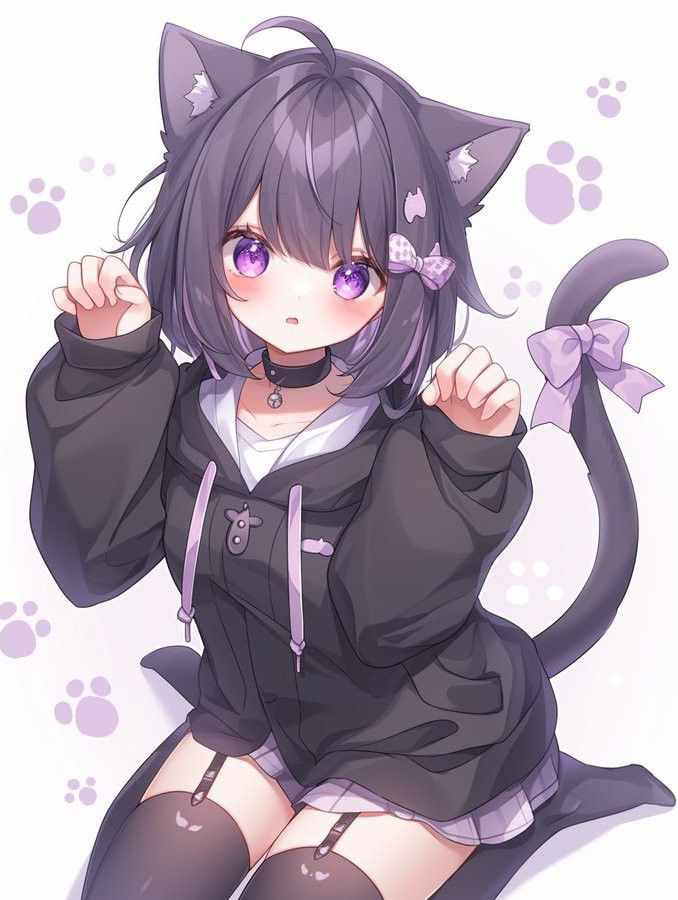
Core: Hyper-idealized girls – flawless faces, diverse hairs, moe expressions – in contests, harems, or battles. Not just looks; personality variety (tsun to dere). Intent? Fantasy fulfillment, selling posters and figures via “who’s best girl?” wars. Vibe’s aspirational allure: ethereal perfection grounding wild plots, blending innocence with seduction.
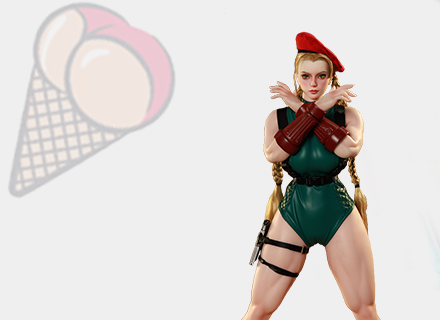
Legends? Sailor Moon (1992) troupe of bishoujo senshi saving the world in skirts. VN pioneer: Kanon (1999), snowball fights with tragic bishoujo. Fighting game queens: Street Fighter‘s Chun-Li to Dead or Alive volleyball. Harem king: Tenchi Muyo! babes.
Usage: Bishoujo contests at cons; Steam tags for VNs; fanart “bishoujo-fy” everything. Evolved? Bishounen counterparts, deconstruction in Neon Genesis. Bishoujo’s the canvas – anime’s visual hook that keeps us hooked. Without ’em, no waifus.
Phew, senpai noticed – from hierarchy hots to bishoujo bombshells, these are the tropes that built empires. Anime’s mutating faster than a Pokémon evolution, with new slang dropping daily in webtoons and VTubers. We’re on the hunt, so gear up for the next blast: Bukkake’s controversial splash, Femboy’s gender-bending charm, Futanari’s boundary-pushing fantasy, and Waifu’s ultimate soulmate status. Spill your gyaru crushes below – let’s make this thread legendary!
In your free time, don’t forget to browse our anime sex doll store!
Want to explore all our articles about Mini Sex Dolls? Visit our All Articles.
 English
  日本語
日本語  한국어
한국어  Deutsch
  Français
  Español